

BiancaMoon
-
Posts
45 -
Joined
-
Last visited
BiancaMoon's Achievements

Potter (4/9)
54
Reputation
-
This is why I am giving temperatures.
-
A very quick update that neither mango nor lychee can survive in warm zone in the greenhouse during winter. It takes just one night of -2'C to kill them, while oranges are enduring.
-
So first update, it is December now with temperatures going to -2, and long periods with temps under 5'C. The orange has stoically survived about 5 days with temps going to -1'C, and second day of -2'C died as well as many new planted oranges. Anything from hot zone except oranges dies instantly at 0 to -1'C that I can see. But if the temps stay above 0'C they can survive for few days. What I can conclude is that fruit trees take damage under the die off temperature just like crops. They need some hours under die off temperature to really die. Hot zone fruit trees also can not be stretched to fruit before cold temperatures in the warm zone and need to be placed in the greenhouse. I am testing which ones can survive in it - mango, orange, lychee. Cold zone fruit trees so apples, pears cherries and peaches can of course survive but not a single one vernalized so far. For apples and pears this has been year 2, and for cherries and peaches first cold year. I will wait for them until April as cold temps start to give up around that time. If they do not vernalize they will be cut and used for cooking...
-
LadyWYT even thou I see the logic behind all of what you said I also still believe that enabling players to adapt their preferred operations in different climates should be better. Growing season is all year round but the soil fertility is not, and the crops are either preferring the cold or hot zones. In warm zone, so between hot and cold, plants have to be rotated to avoid stunting or death. Having a period without planted crops is a must for soil fertility unless you are constantly adding fertilizers. So I do prefer and I find it quite useful, to have a growing season - and food stored in between, not to mention how important this is for exploration. It would also be interesting to get cold in deep caves, and players from hot zones having to pack fur coats down there or light fires. I am sorry if I was misunderstood about cellars in cold zones. I know they are a must, this is why this temperature distribution will allow players in cold zones to build them easily, just few blocks deep, with players in warm or hot zones would have to dig much much deeper. That would be a pay off. Make us dig 30 blocks down and light the area very good to prevent nightmares spawning in the food cellar, but let us have the blue cheese at least that is my opinion.
-
Professor Dragon that is an excellent idea! I can make a lot of glass fast, have ton of refractory bricks for bloomeries and couple of stacks of quartz. But the thing is die off temps for hot zone fruits are quite high for winter. Orange is lowest - 5'C and olive is 7'C. I see in the table that orange can go to 1'C but the problem is the winter here goes to at least -4'C meaning it would be a waste of materials if it goes even the slightest below. However if all of the cold zone fruits do not vernalize this year (currently in September) I will actually build a green house with purpose to try to get oranges going - the only possible fruit to survive the winter, and test it. I have a nice place for this all dug up and flattened already. Cheers!
-
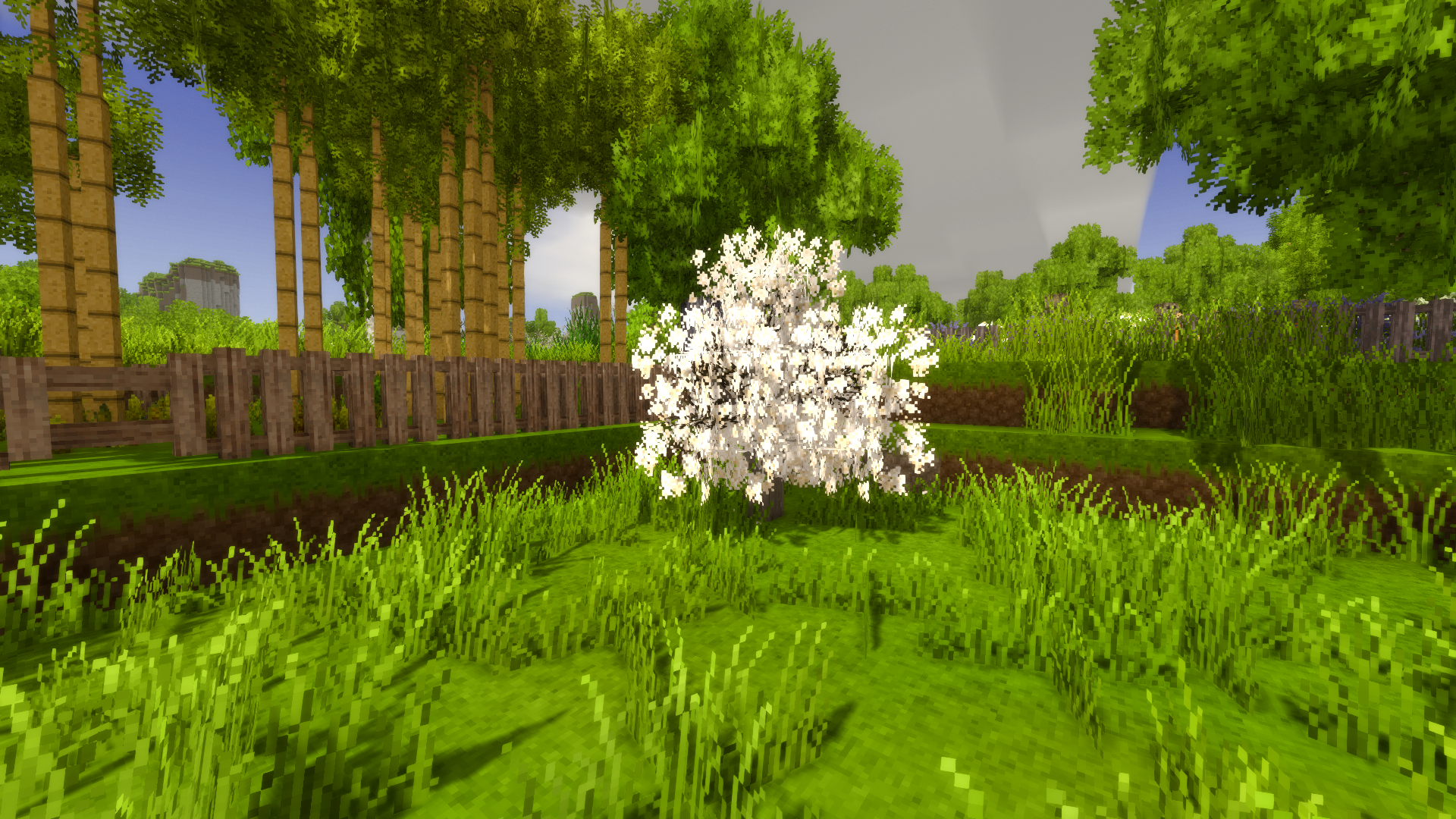
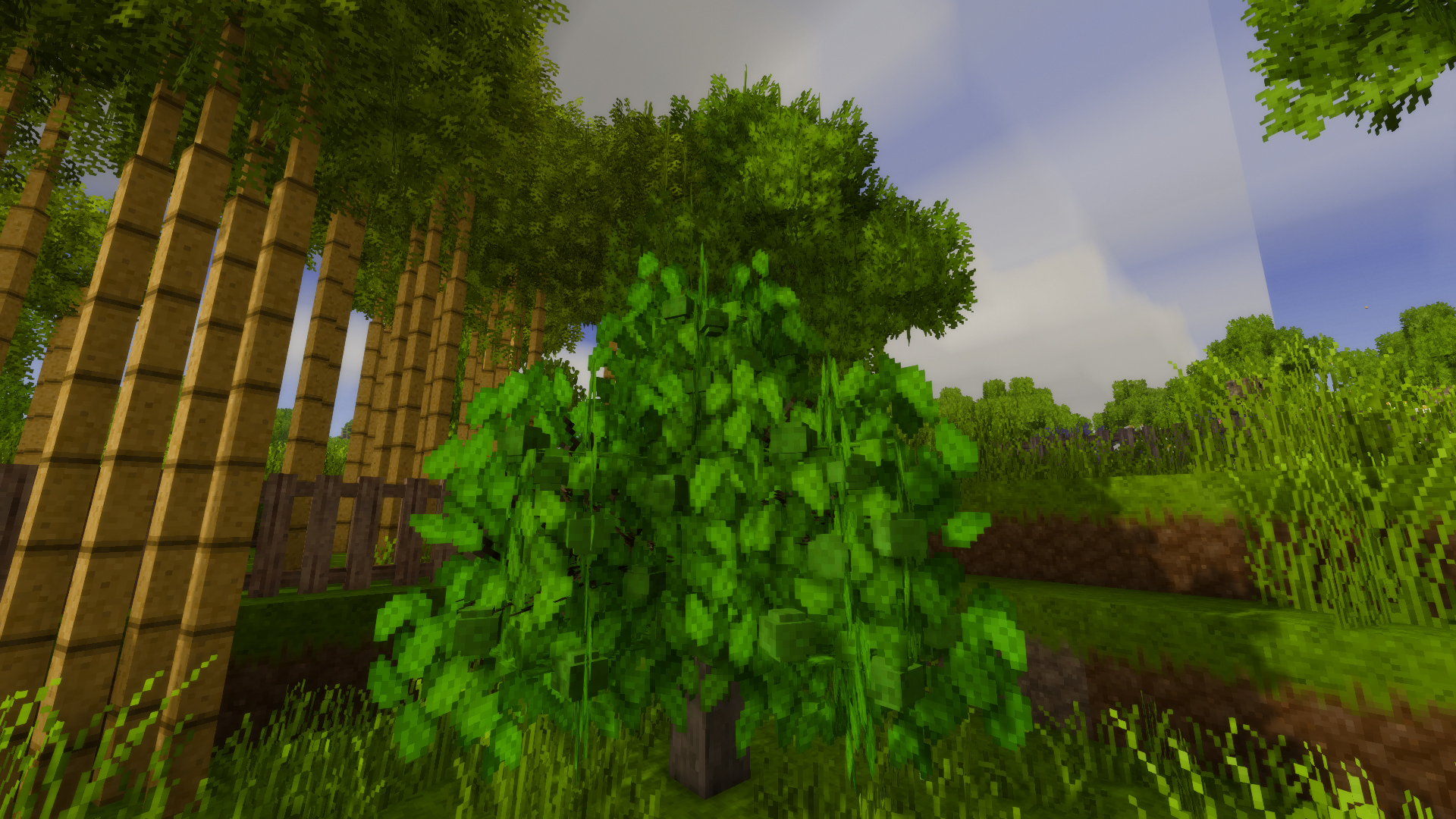
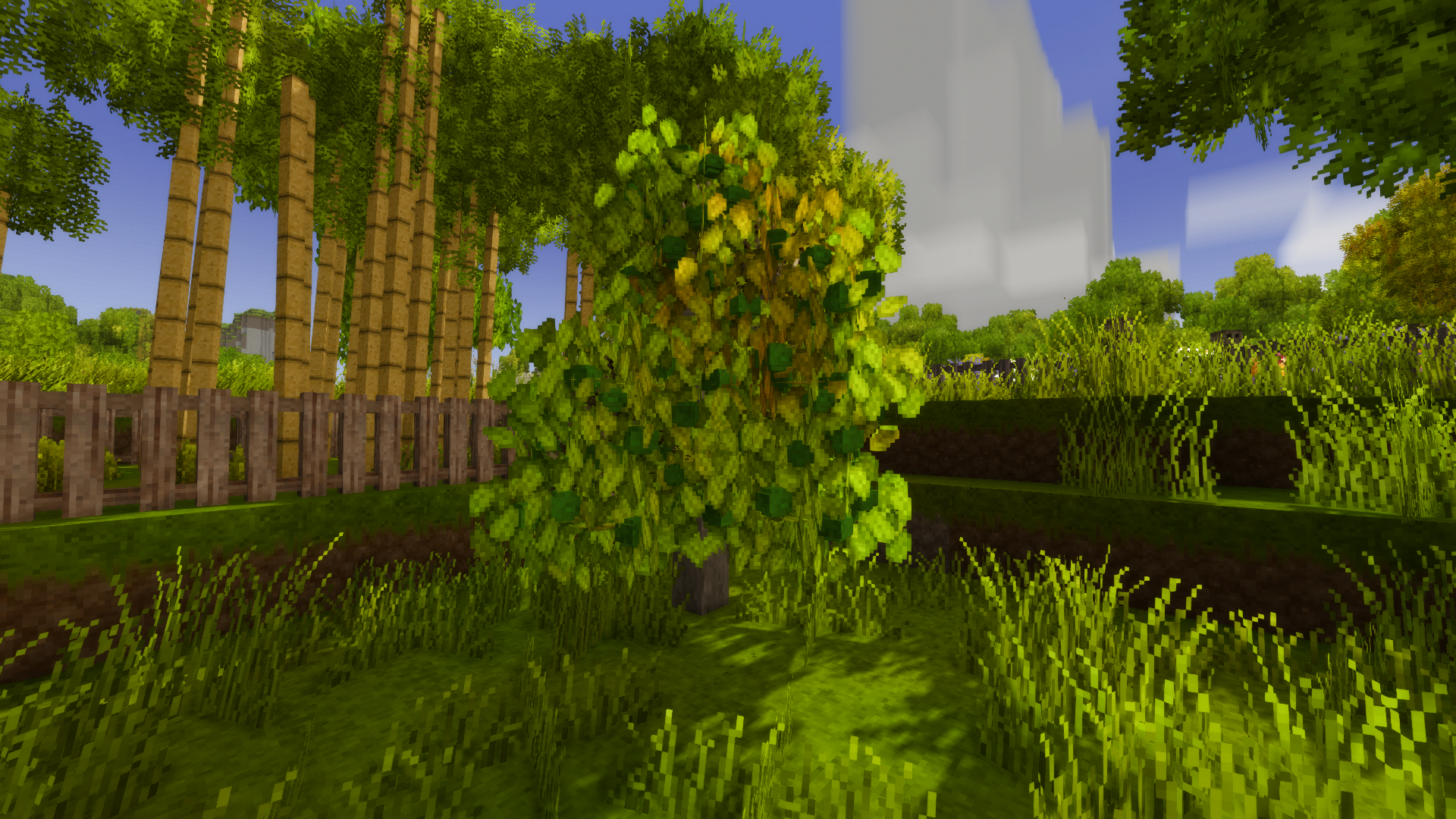
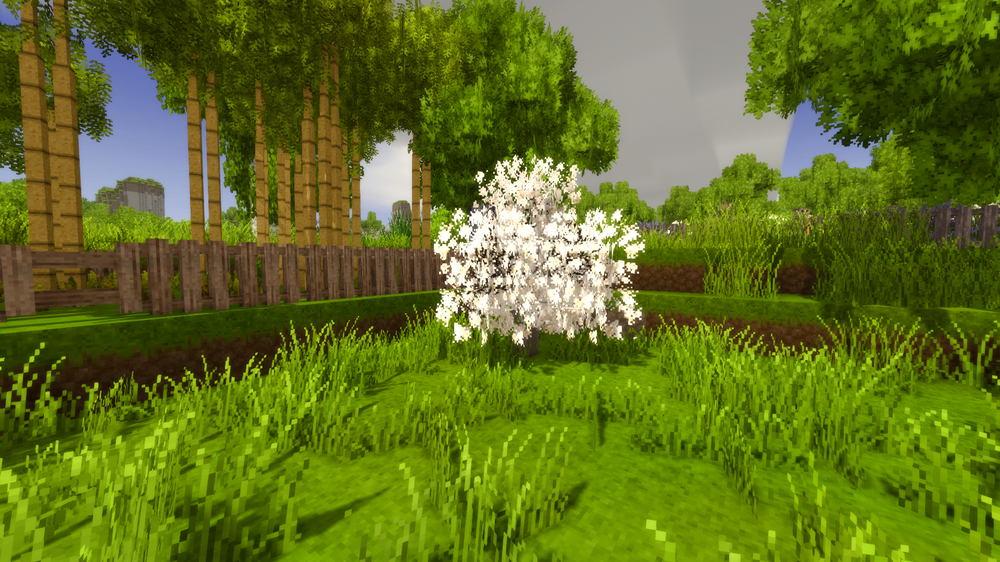
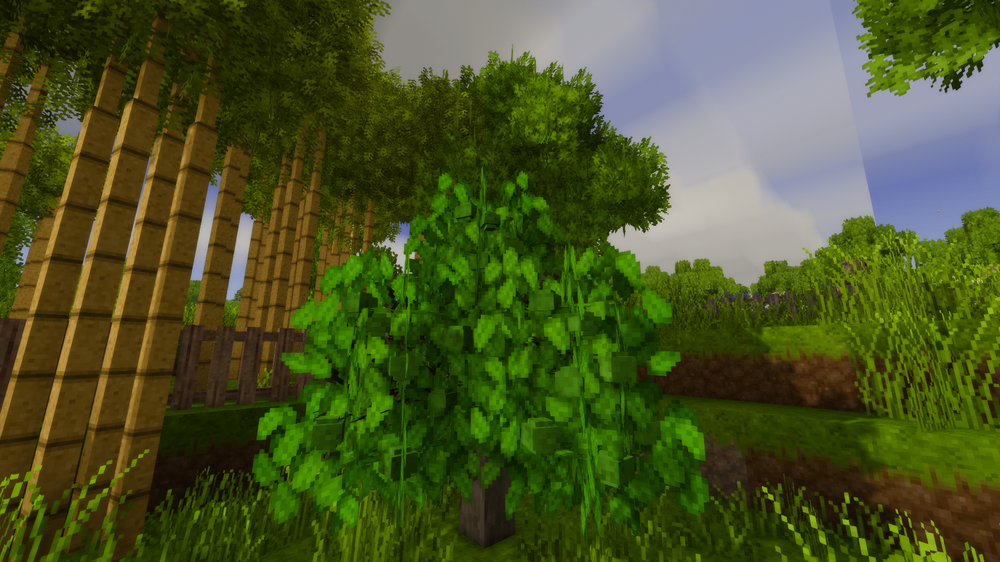
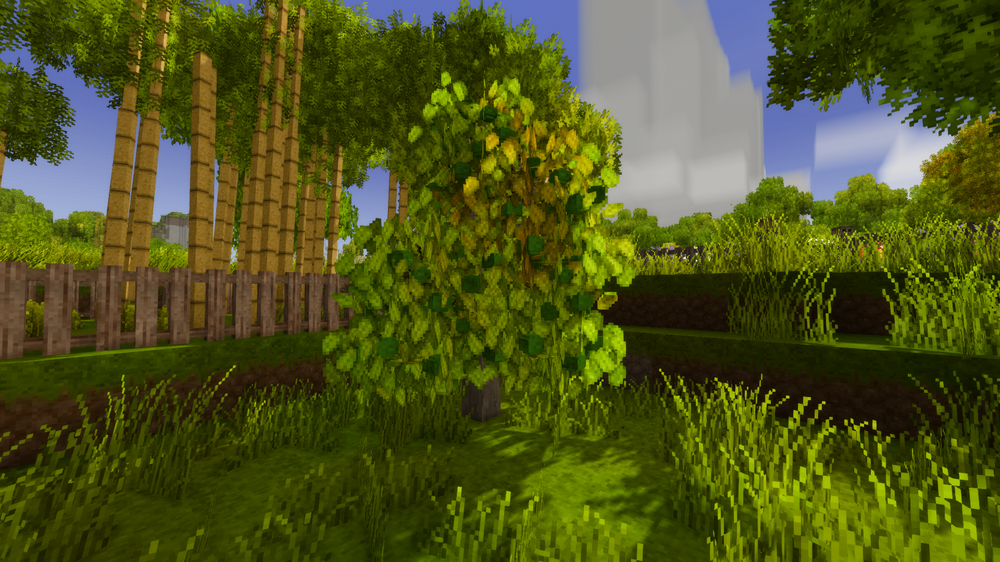
Thank you for the answers. I had a crazy luck with fruit trees so now I have a lot of alive ones, but I want to do some experiments. Because I am in the warm zone it is hell to actually get fruit trees to bare fruit. The hot varieties die in the winter as temps go to -4, but the cold varieties don't get enough of cold time to vernalize making my oldest trees on their second year, mature form (bottom leaves fallen off, 6 blocks high) but no fruit, still young. The first experiment I am trying is to plant hot zone fruit trees at the end of the winter to be vernalized right away and to try to get them to bare fruit before next winter, collect fruit, collect branch and let it die and repeat the cycle. Right now the only one I managed to start was a single orange. If you look at the photos it was vernalized the moment it got first leaves, it is bearing fruit and growing, with each new branch growing with fruit already on it. However I think it will not make it to ripening because it has 30 more days and I am in September... I also need to see will year 2 be enough for all the apples, cherries, pears and peaches to finally mature... Finally I have a stockpile of mango branches I will try to graft on apples and cherries to see if they die during winter, does the branch die or the whole tree dies, or the branch is just dormant. I just need to wait the winter to see which ones vernalize so I can sacrifice the ones that don't as the wait is too long now - two years! I don't want to kill the trees I have been waiting for so long.
-
Bony Soil ain't so bony... or anything... anymore?
BiancaMoon replied to Angie P's topic in Questions
I've seen this and it is a bit off topic for this post but I have noticed the content of it changed. In the past (pre second chapter) I would find books and lanterns, and some other items of "greater value". I have went trough 2 stacks of bony soil and found just one book, two pieces of bronze chain and rest were arrow tips, bones, and the low potential gems. I feel like it is not worth it past really first stages of the game. -
I have noticed that digging down increases temperature. Even when going in caves the temperature rises as you go down. When thinking about cellars this is problematic, and it is not realistic. The temperature should go down as you dig, but then it should not go below certain point. For example, temp should go down to -4'C and then stay on that value no matter how deep you dig. This would work both for cellars and insulation in very cold zones. The depth needed to reach the -4'C should vary depending on where you are at, in hot zones you should need to dig more to get to the -4'C while in cold zones it should be less. Players that have a base in warm or hot zones would have to dig deep cellars to store their food and fight the heat, while players in cold zones would actually benefit from having a shallow cellar and dug in homes that are better for very cold winters. Imagine a home with a dug in ground floor where you spend most of your winter and a second floor above ground where you spend summers. It would be much more realistic and bring new dimension to home planning. Finally this would enable players in warm or hot zones to make the infamous blue cheese and not make it exclusive for cold areas.
-
I invite you to celebrate beauty of VintageStory
BiancaMoon replied to BiancaMoon's topic in Videos, Art or Screenshots
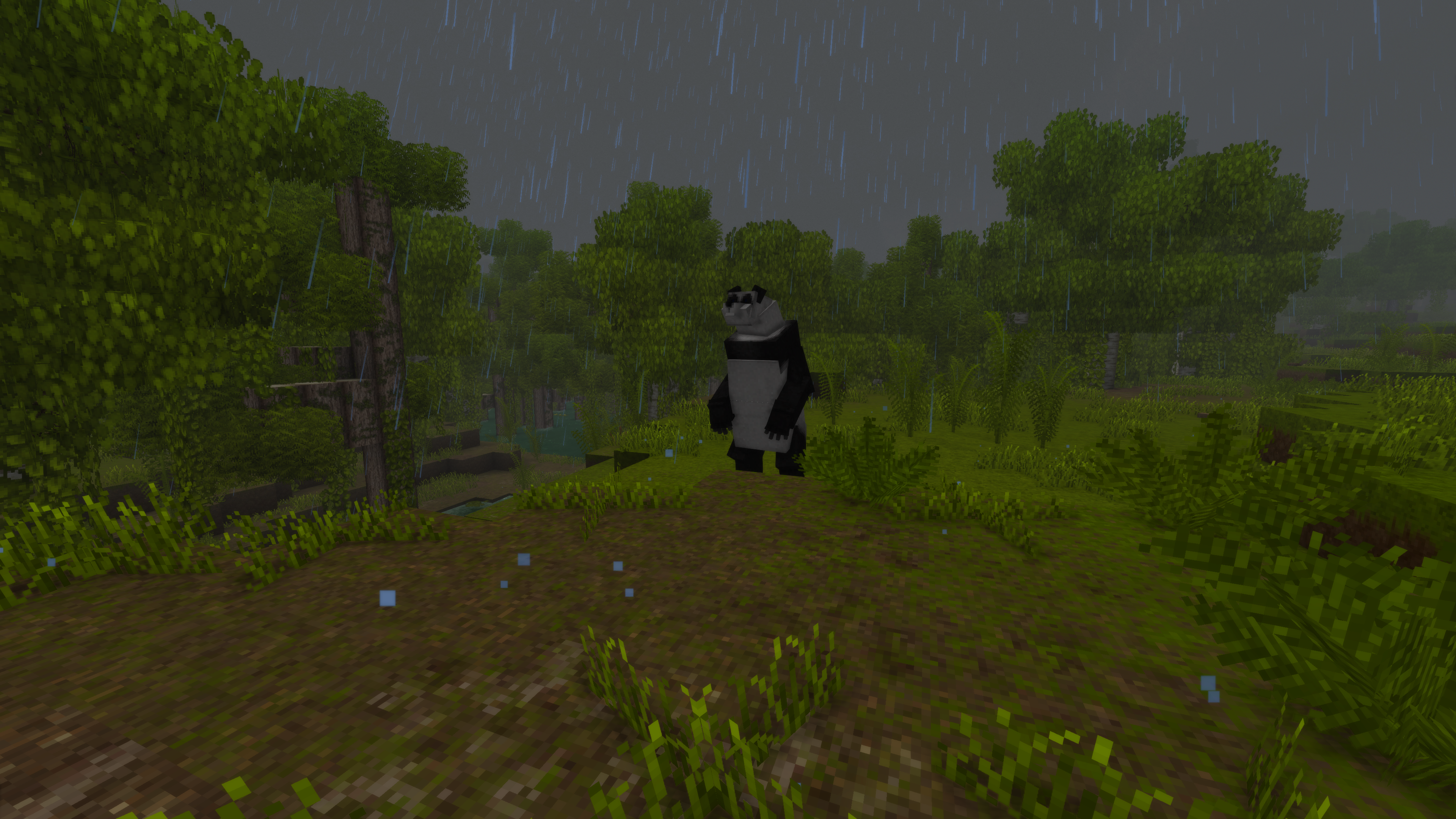
I recently found out that you can indeed make panda angry. Get too close, stick around a bit too much and it goes to grizzly mode.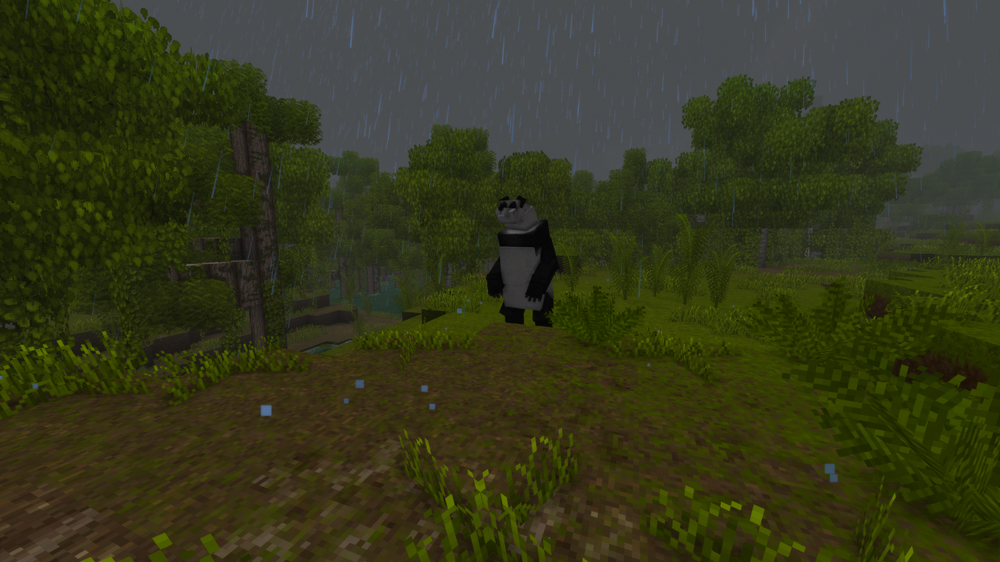
-
I invite you to celebrate beauty of VintageStory
BiancaMoon replied to BiancaMoon's topic in Videos, Art or Screenshots
And here is pure joy, the upper part is bauxite and under it limestone I found it trough a translocator that was close to my base. Not to mention the cave I spawned in was full of quartz and olivine. I am set for life.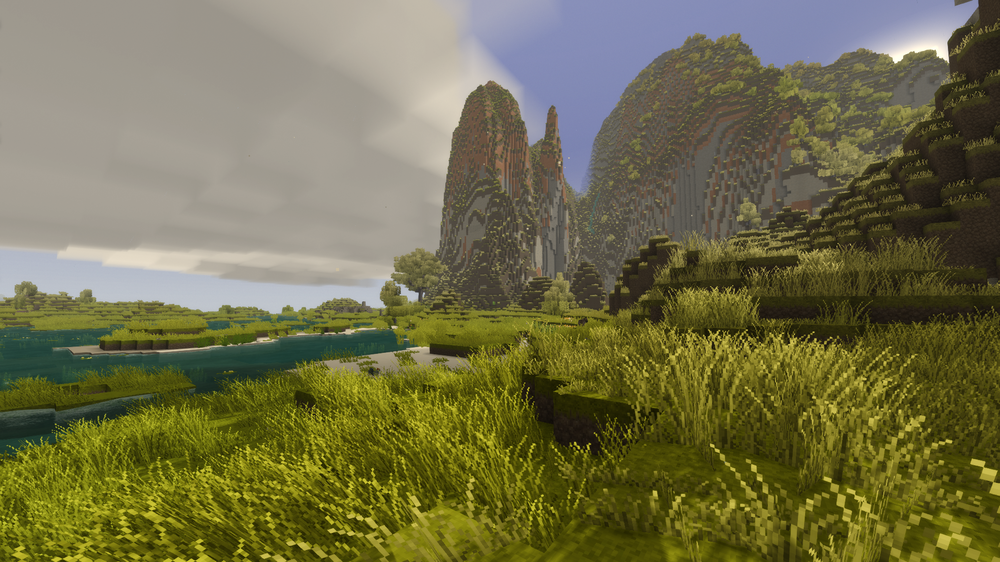
-
I invite you to celebrate beauty of VintageStory
BiancaMoon replied to BiancaMoon's topic in Videos, Art or Screenshots
ATTESTEDJON Did you create the cross, it looks amazing!!!! -
I invite you to celebrate beauty of VintageStory
BiancaMoon replied to BiancaMoon's topic in Videos, Art or Screenshots
I also find this strange ruin, never seen one like it before. I dug sideways to the bottom of the pipe where there was a whirl of water that almost drowned me. Could not find any loot and returned the blocks as they were.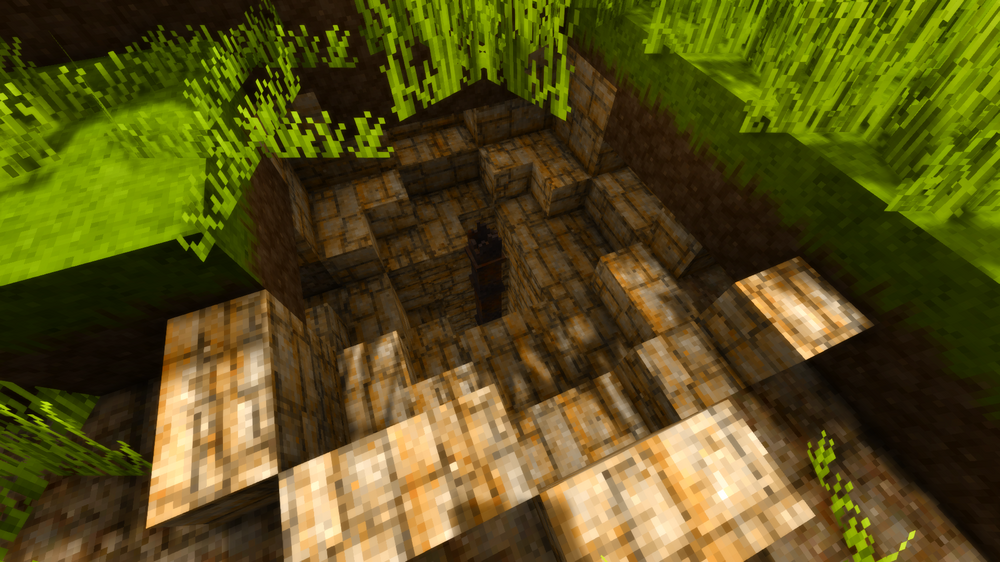
-
I invite you to celebrate beauty of VintageStory
BiancaMoon replied to BiancaMoon's topic in Videos, Art or Screenshots
Not a spoiler as I finished both chapter but I must admit the entrance to the Resonance archive looks so good with the mist!!! I have one misty day to share where everything looked like it was disappearing.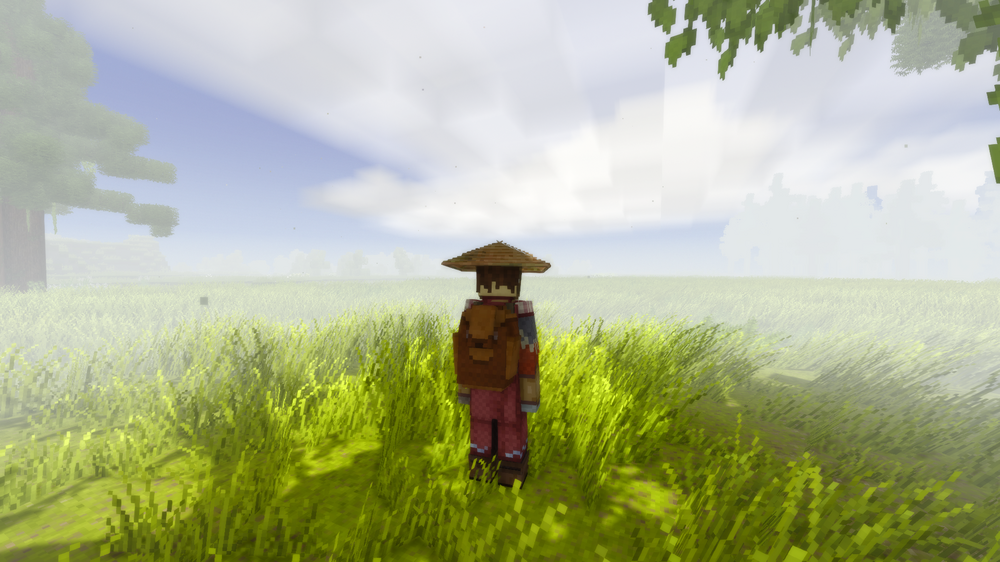
-
I invite you to celebrate beauty of VintageStory
BiancaMoon replied to BiancaMoon's topic in Videos, Art or Screenshots
Thank you so much for the image, it makes me so happy to see worlds and experiences of other players! -
Hello, Does anyone know can you use stablished fruit trees to graft on them species that are not suitable for that temperature? If this is unclear let me explain, in a climate where winters go to to about -10'C can I use established apple trees and try to graft on them mango, orange, etc. - species that die at these temperatures? Thank you.