


Doctor Antiquarium
-
Posts
27 -
Joined
-
Last visited
Content Type
Profiles
Forums
Blogs
News
Store
Everything posted by Doctor Antiquarium
-

ore Bog iron (Goethite) - rework
Doctor Antiquarium replied to Doctor Antiquarium's topic in Suggestions
Clarification: With Frequency: Moderately common, similar to surface copper deposits. I mean, it would be moderately common, but only in biomes+climates where it can be generated.* Here is an image of how goethite looks like: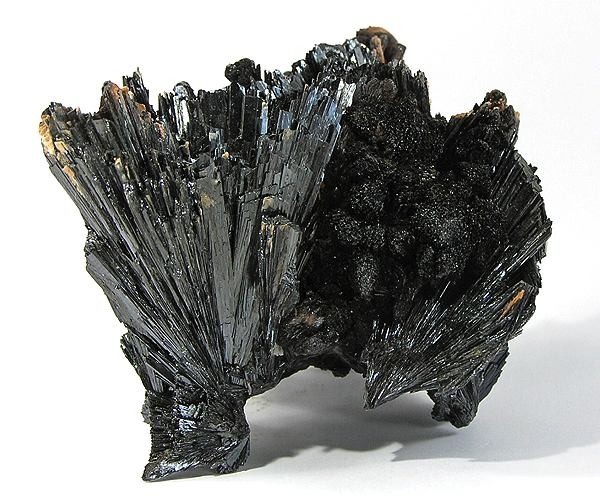
-
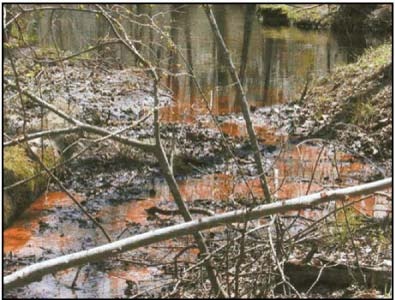
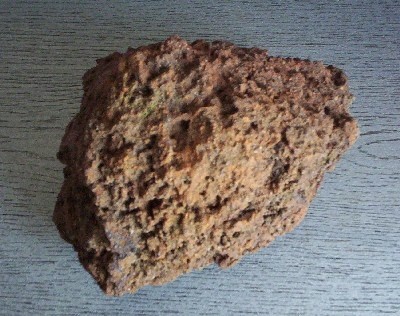
Suggestion for Adding Bog Iron Ore (Goethite) to Vintage Story Extracting iron from swamps was a very common activity during the Middle Ages. Most of the iron was extracted from these places, and not from mining. Bog iron ores: Goethite ore in poor soil Goethite ore in medium soil Goethite ore in muddy gravel Goethite ore in blue clay Goethite ore in fire clay Description: Bog Iron, also known as Goethite, is an iron mineral that forms in swampy and humid conditions. It serves as a secondary source of iron, easily collectible in the early stages of survival, but scarce and very disperse, although renewable. Generation Conditions: Terrain: Swamps, Floodplains, Peat Bogs (near or under small fresh water bodies). Depth: Generated just below the surface layer, starting from height level 110 or above (where sea level is 110). Frequency: Similar to tin deposits or minor (*but only under biome and climate specific conditions). Climate: Appears only in humid climates, with cool to temperate temperatures (0°C to 20°C), and high annual precipitation (minimum 750 mm). Blocks: Generated inside soil, gravel and clay blocks. Not generated inside stone blocks. Regeneration: Very slow (30 days or longer) in very specific areas of the deposit, where there are ferrobacterial films. Bog Iron Ore can slowly regenerate in the same locations over approximately 30 in-game days. This simulates natural formation processes involving the weathering and decomposition of iron-rich minerals from igneous, metamorphic, and sedimentary rocks, followed by chemical or aerobic biological precipitation. New Tool: Metal Rod (in bronzes (tin, bismuth, and black), irons (conventional and meteoric), and steel). Searching for iron in the swamps is a tedious process. In the Middle Ages, swamp iron hunters used tools such as metal rods to poke the ground in search of large masses of goethite. They generally found between 3 and 30 pieces in a day after exploring large areas of swamp. The metal rod would be a tool that would be used to puncture the soil in search of the masses of goethite. The rod would indicate the presence of goethite by means of a metallic sound, or alternatively, an indicative text. Others indicators: The presence of ferrobacterial films over submerged surfaces would indicate that the lake or swamp could contain bog iron. In addition, small lakes or puddles of reddish water (rust water) could also be implemented, with a greater abundance of goethite and a higher rate of regeneration of the mineral. Ferrobacterial films look like thin iridescent layers (like oil stains). Block Hardness: Hardness: mineable with bronze shovel or better. Block Appearance: Texture details: Rough and uneven surface with a mix of dark brown, yellow, and reddish hues, mimicking the appearance of real goethite. Drops When Broken: Goethite ore: Breaking Bog Iron Ore blocks yields 1 goethite ore of different quality (poor (1 nugget) to very rich (20 nuggets)). Uses in the Game: Goethite nuggets can be collected and smelted to produce slag. This addition would provide a new dynamic of resource collection and utilization in Vintage Story, akin to the experience of gathering surface copper, enriching exploration and survival gameplay with a more accessible and realistic option for obtaining iron.
- 13 replies
-
- 5
-

-
- ores
- ore distribution
- (and 1 more)
