Perdido Street
-
Posts
67 -
Joined
-
Last visited
Content Type
Profiles
Forums
Blogs
News
Store
Everything posted by Perdido Street
-
I'm not particularly bothered by the current walking animation; that said, I would enjoy having some variation. Having some greater reactivity, like limping on low health or trudging through snow/mud/waist-high water, would be very immersive. Alternatively, if that would be too difficult to do on a modular basis, maybe there could be different walking/movement patterns that could be chosen during character creation.
-
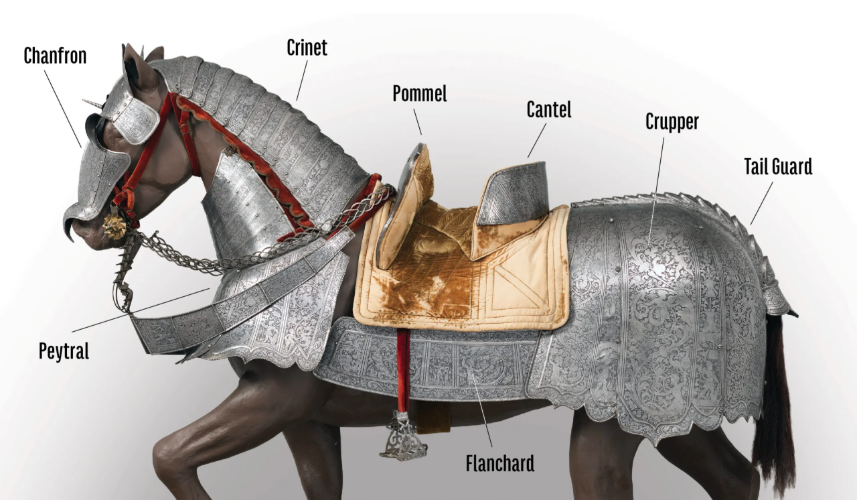
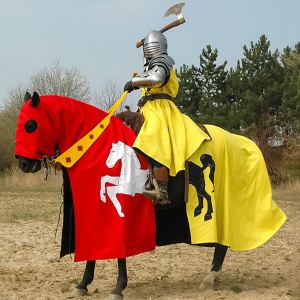
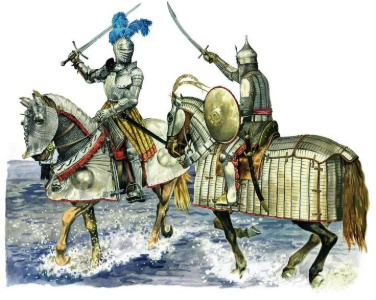
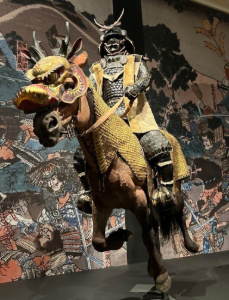
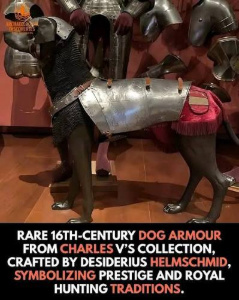
This is definitely an idea for the future, after the current armor rework has been implemented, but, once that is done, it would be nice to see armoring (Barding) options for mounts. While the practical use of protecting our mounts is pretty obvious, there is also the element of style (looking at many of the reference photos in the thread on the armor rework, the armor for horses is usually as elaborate and decorated as that worn by their human riders). Barding for mounts (and for other animals, like dogs/wolves whenever those become domestic-able) doesn't need to be nearly as complex as the system for crafting armor for the player model. There would be fewer individual components overall, but, hopefully, with a broad range of visual models:
-
I think that it's fair to say, at this point, prosthetic limbs could be a nice aesthetic choice during character customization, but probably wouldn't work with a dynamic system in VS because of the limb-loss issue. - - Going back to where this started, this discussion has been very informative for my thinking about how the new injury system should be implemented. It seems to be the consensus that having major-debilitating types of injuries would be too unbalanced, even with the possibility of counter-play. In more fast paced games and RPGs, having injuries slow the player down can be useful for shifting up game play (taking a break from fighting to do more gathering or trading); whereas, in a slow-paced game like VS (where the main loop is already about gathering and trading), these types of roadblocks just slow things down rather than move play in a different direction. And, while being a slow-meditative experience is what makes Vintage Story so good, that is because it has a very well balanced progression (for the most part). Even for very long or complex crafting recipes, the challenge is balanced with the amount of new opportunities created by going through it. Yeah, metal working is hard, but the system is loved because it is proportionally rewarding. Even the way that hunger is implemented is made enjoyable by the fact that having a varied diet gives health bonuses, so it's not just that the player will be punished for engaging with it "wrong," they also get rewarded for doing it well. The challenge that any potential injury or disease system faces is that while its very easy to say when a player is doing poorly (losing fights, falling in holes, or being too long in the cold), it is hard to know what doing well means in this context, or translate that into rewards. Whereas the opposite of being hungry is being well fed, the opposite of being sick is usually just not being sick, and the opposite of being injured is just not being injured. Implemented like this, injuries and disease would just be doubling down on punishing the player (and, yeah, some people might be in to that, but more people like being challenged than tortured by a game). To balance things out, Injury and disease will need more than just counter play, but an alternative (for lack of a better term) "Wellness" status. If being in a cold-damp environment can cause illnesses that applies a negative effect, then being in a dry-warm room should build-up a positive effect (separate from just making you less likely to get sick). Broken limbs and other injures should not be something that happens when you are already on the back foot. A better way would be: if you have over 75% health for a long enough period, and you suddenly receive an amount of damage that would just barely have killed you, instead you drop to 50% and receive an injury. That way the Injury System actually balances against sudden deaths from RNG, instead of just being a "you lose more" effect. (I get that might sound a little weird at first, but keep in mind that it's much better to take a bad fall on your legs than to your head. Being injured is an alternative, not an addition, to being dead). This is only me spit-balling, and there should be counter play in the form of herbal remedies and bone splints/walking-crutches, but if there is anything that this thread has shown me (in addition to prosthesis in-game being a doomed idea) the injury/disease system needs to balance problems with rewards, and those rewards have to be more than just the absence of the problems.
-
That is one of the things I don't understand about how diseases and broken bones are going to be added, but the devs have said that they are on the way (I think that they said in an interview they had been looking to add this is 1.22, but decided to keep it back a little longer). I see how these could be problems when you are far away from your re-spawn, but if you can die and comeback healthy why would you bother with treatment? The only reason I can imagine is if they make injuries carry on after re-spawn, which I also have incredibly mixed feelings about. Anyway, I hope they find a way of implementing that system that isn't just punishing the player more (losing health or dying already gets the message across if we messed up, and that's only in cases where it is actually our fault - wolf/bear rng is hardly fair). So, alongside bringing in new ways to set the player back, it really needs to be balanced with new ways to get ahead too (like herbal potions or prosthetic limbs that open up new opportunities/bonuses).
- 10 replies
-
- 2
-

-
- medical
- playermodel
- (and 1 more)
-
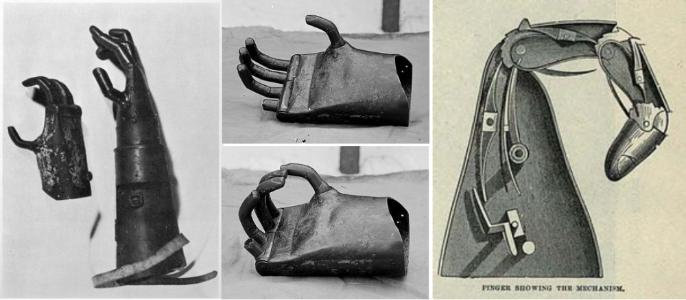
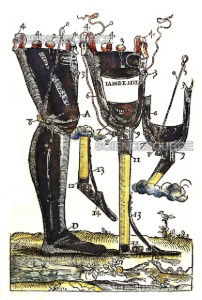
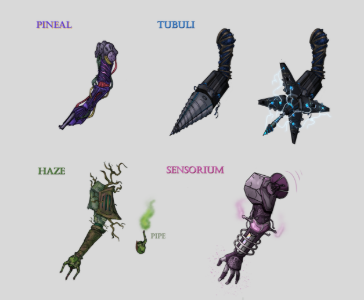
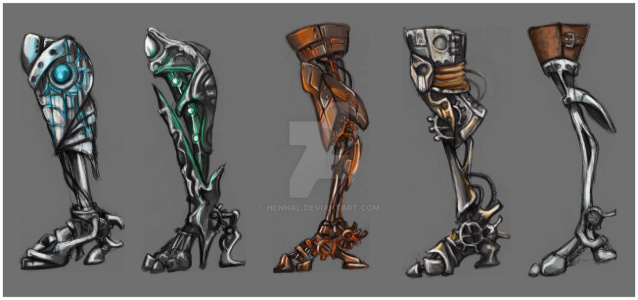
I know that a system of status effects, particularly for disease and injury, is in the works, and I wonder how far it could/should be taken. I love the dynamic systems of limb health from games like Kenshi and Rimworld, with the organic stories they create, but feel uncertain on how to bring it (in a fun way) to VS. Would prosthetic limbs be a reasonable (or even a practical) addition? Historically, as long as there have been people there have been limb replacements. While many of these prosthesis were crude pegs or hooks with attachment points for tools, looking as early as the medieval period, there were surprisingly complex mechanical devices being made. -Ex of a prosthetic hand from the 1400s and a prosthetic leg: There could be craftable prosthesis that are better for particular tasks. In the context of Jonas tech in Vintage Story, I can imagine this being taken to some interesting designs: So, I think that prosthetic limbs would fit into the world of Vintage Story very neatly, my only worry is about the problem of "how do limbs get lost?" If it is a fully dynamic or debilitating system then that could lead to some pretty unfair game-play situations (getting jumped by a bear is already bad, but getting jumped by a bear and losing your arms would be a whole new universe of annoying). That doesn't even get into whether or not lost limbs should carry across once a player re-spawns after death (which is admittedly something I have mixed feelings on in general with how the rest of the injury/disease system will be implemented); It would have to be adjustable in world settings, or else a start choice during character creation.
- 10 replies
-
- 2
-
-
- medical
- playermodel
- (and 1 more)
-
I'm not sure what level of gore is appropriate in this context, but (with the new hit detection, combat mechanics, and injury system that the devs are implementing) having critical hits (or hits received once below a certain health level) cause a red splotch or spatter on the model would certainly make things more visceral and reinforce the sense of lasting impact. Having poultices visually show up over these wounds when used would be an exceptional touch. That's just for the player model (assuming the Seraph has red blood, which admittedly I don't know...... and the more I think about it having temporal-gear green/blue blood seems just as likely - not to mention useful for getting around that "appropriate level" of gore issue) though, having a similar effect on animals or rust mobs (but probably in the spectrum of black or brown for the latter) would also be useful for showing how well, or poorly, a fight is going.
-
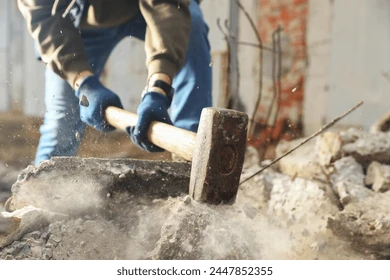
I wont disagree about coal being the dirty-est, but I come from a quarrying town and, trust me when I say, breaking any kind of stone is dusty work: -doubly so if it's in an enclosed space like underground.
-
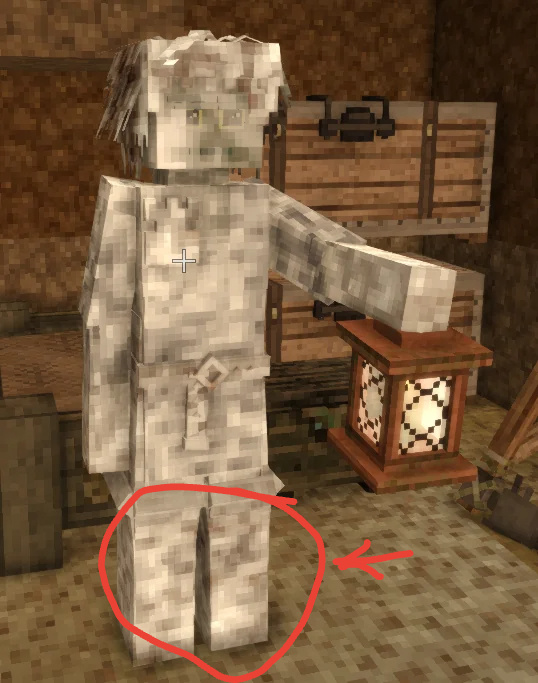
There is already some modularity with the player model in response to the environment (getting covered in frost from the cold), and it would be nice to see that mechanic expanded. Specifically, moving over soil or sand could cause the lower legs of the Seraph to get "dirty" over time. There could also be a difference in how quickly (or high up the leg) this happens depending on if the player is walking, running, or jumping. The same with the frost caused by cold, dirt would be a temporary change in color; it would fade away once the player is no longer moving or is on a 'clean' block like stone or wood. These types of responsive changes, while being mostly aesthetic, add a lot of immersion. Additionally, digging/mining or planting crops could have a similar effect on the arms (like slowly getting a layer of soot on the hands while smithing).
- 15 replies
-
- 3
-
-
- aesthetic
- playermodel
- (and 1 more)
-
Warpaint layers for character customization
Perdido Street replied to LadyWYT's topic in Suggestions
This seems like a good middle ground for "custom" player skins. Even if what people make their Seraph look like doesn't totally 'fit in' with the setting, the way that appearance gets implemented is still grounded enough to feel reasonable (the same way that we can build anything, but still have to put in the work for materials to do it). -
Should VS embrace the Immersive Sim in its Story?
Perdido Street replied to Perdido Street's topic in Discussion
Being able to pursue different routes or play styles through the story would help a lot with its replayability in general. -
Should VS embrace the Immersive Sim in its Story?
Perdido Street replied to Perdido Street's topic in Discussion
One of the greatest strengths of the immersive sim is the sense of character it creates; Whether it's in a rpg context, a narrative context, or a survival context: Not only are our choices our own, but they have knock-on effects (which reinforces the 'reality' of our in-game personality, and shows internal consistency to the game world). In Fallout New Vegas, the actual combat sandbox that makes up the game is pretty sterile, but the ability to take the story in any direction and have the game run with that choice is what makes it one of the best rpgs ever made. Now, I recognize the folly of just saying "be like this other great thing" as if it were just that easy, but (for everything that makes VS both mechanically and thematically different from that game) VS has a much stronger core gameplay loop in its survival sandbox, and I believe that foundation could serve as an even stronger basis for a players to developed the Seraph (like our version of the Courier or the Dragonborn) into a fleshed out character through narrative choices. ...And, when I say narrative choices I don't just mean in the "main" story. Side quests are a possibility, and especially unscripted interactions created by dynamically interrelated systems (the ability to pull on a mechanical "string" and see what happens). It's a lot of work, but for an immense payoff. -
Even without how often the words "immersive" and "simulation" are used when describing VS, the dynamic ability to travel through and reshape the world (where limitations are few, and grounded in the internal logic of the setting) puts the game in that category. In many ways, alongside a handful of other survival-builder sandboxes (particularly Minecraft), VS is probably one of the most elaborate immersive sim games in the world. The level of agency available to players even blows games like Deus Ex and Skyrim out of the water, however, that is in terms of physical agency (not only can you "See that mountain? You can climb it," in VS you can break down the whole mountain range and rebuild it as a stadium), whereas the types of narrative agency present in those games is still somewhat lacking here; This is less of criticism and more of a statement, given that (while the game is already massive) we are still in what is, relative to the overall vision of the game put forward by the devs, early-early access. What I'm getting at is that the survival game elements of VS are very "immersive sim-y" in nature, whereas the main story (at least right now) is a lot more linear and, at-times, relies on restricting players out of the immersive sim (picking-up and putting down blocks in different locations). While I understand some of that is an unavoidable concession to balancing, at least in its current state, there is no other developed mechanic (stealth, combat, character interaction, etc) that can step in and fully fill the void. To be clear, this is not a criticism of the contents of the main story (I think that it is compelling, and genuinely boasts some of the best presentation out there), just an observation about how the core mechanics of the game and the sandbox are much better integrated with one another than those same mechanics are with the story. It is a very natural and satisfying progression through the first year of the game (a sort of light narrative) going from the stone age to the late stages of metal working, all with the overarching challenge of building up to survive the winter (challenging enough that it has to be addressed, but open ended enough that it can be solved in numerous creative ways). Meanwhile, the story is not rooted the same way in survival (after all, if the story had to be completed as a survival objective then it would not be optional), so progression takes more of a "conquest" format, like in Minecraft (we don't go into dungeons or seek out story locations to secure our survival, but to unravel the mystery and test our abilities against escalating challenges - we 'conquer' the sandbox). I hope (and am reasonably confident) that the story will catch up with the sandbox in terms of depth eventually, but that (in my estimation) requires addressing its unique mechanical needs. The only reason I even bring this up is because I've been thinking about just how incoherent the connection between the story and the sand box is in Minecraft, where the Ender dragon is just there to be there and has no organic relationship with the journey players go on (VS is already light years ahead of that, but I still think that it can do better).
- 16 replies
-
- 1
-
-
- immersion
- simulation
- (and 1 more)
-
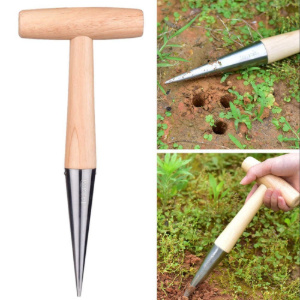
Standing water crops would be a nice addition. That said, it means being able to make tilled soil under water, likely as a new type of tilled-soil, and that probably would be best added with a dedicated tool for making it; Luckily, there is is just such an implement in real life: the Dibber (also called a Dibble in some countries). While hoes are still used to till furrows in rice farming, the actual planting relies on a Dibber (made of wood or metal) to make a precise hole for the seed through the soil and muddy-water.
-
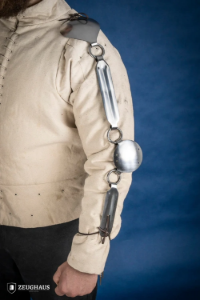
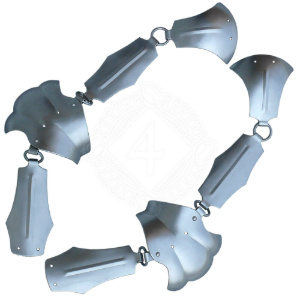
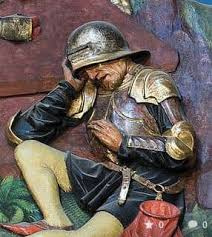
Technically there is a type of armor like this called Jack Chain. It is a kind of cheap-light protection for the arms or legs (made of plate-metal, or hardened leather, splints linked via chain), typically tied/sewn onto a Gambeson or "Jack". At least in the realm of existing-metal armors, it definitely has the most "bare-bones" appearance. An interesting fact: Though there are examples of individuals wearing Jack Chains, or things like them, these only come from central Europe, and even there they were never widespread. However, 'authenticity' aside, Jack Chains are incredibly common in modern re-enactments, and for good reason, as they are cheap-functional protection against getting one's limbs broken (so, it's this odd reversal where in the past there was so much other armor circulating in the economy of Europe that soldiers could often buy or steal better protection without having to resort to Jack Chains, whereas today, when the only way your going to get metal armor is by custom ordering it, Jack Chain being the cheapest actually does translate into it being the most common). For my source - here is a discussion on the topic given by a medieval arms researcher in the UK, Matt Easton, on youtube :scholagladiatoria - What was this Medieval Armor and did it ACTUALLY EXIST?
-
I think that the new concept put forward is a better composition than the original logo, but also trying a bit too hard to be "charming" (like the advertisement for a cool mod, rather than a calling card of the game), to the point of losing the subtle "wrongness" that made the original design intriguing. "Rugged Whimsy, with a hint of Menace" - feels like the right tone. For some examples that I think reflect the artistic feeling I'm talking about, I found these concepts scattered throughout this thread (the first from @DarkGold and the second from @LadyWYT) The best concept for a ui/desktop Icon (imo): And the best concept for a Menu header/Brand logo (imo): For the sake of uniformity, it would be nice if they were in the same (or a more similar) style as one another, but these feel the most visually/thematically compelling and readable for those two roles (just in my opinion).
-
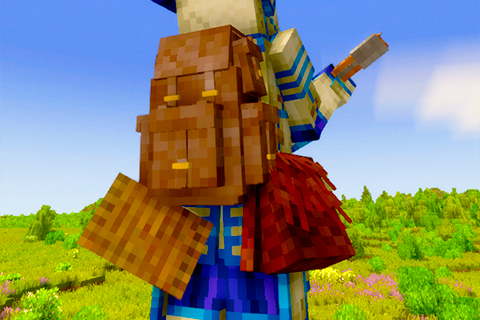
Since modularity is being looked at in the context of armor, I hope that the player inventory/bag system will also get a similar treatment eventually. In it's simplest form, bag spaces on the hot-bar could correspond to different attachment points on the model (for example: left-hip, right-hip, front, back) with an individual-button option for each to make it visible or not. Visually displaying the bags that provide the player's inventory on their character model could add a lot of customization to player appearance, just so long as it is an optional setting (after all, we always need our inventory, but might not always want the bags as part of our outfit). That alone would be a great addition, but making the most of it would also mean introducing more bag variants. I don't necessarily mean having more things like the Mining bag (though that would be nice), but more of a slight rework (really a "rephrasing") for the current inventory tier system: Instead of the first tier of bag being the "hand basket," which always has to be made out of cattails/papyrus anyway, have it be the "Woven/Grass" tier, with multiple different bag types/models within it (basket, sack, sheath, quiver, sling/bandoleer etc...), and the same advancing to the "Hide" tier, "Linen" tier, and so on like is already the case. To be clear, the number of inventory slots will remain tied to the material tier (nothing changes there from how the system is already set-up). The bag variants within each tier would be primarily aesthetic, displaying a different visual model when worn, and sometimes a relevant inventory item sticking out of it (your falx in the sheath, arrows in the quiver, spears or sticks in the sling). There could be room to have different bag variants, or attachment points, that provide advantages for preservation or specific item stacking, but, for now, the main idea would be to have more options for visual expression (not to mention find a practical way of introducing tool holsters/weapon sheaths and quivers).
- 1 reply
-
- 5
-
-
- bags
- playermodel
- (and 2 more)
-
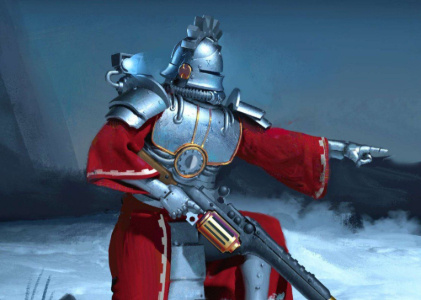
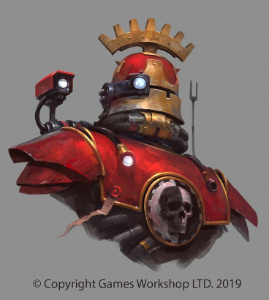
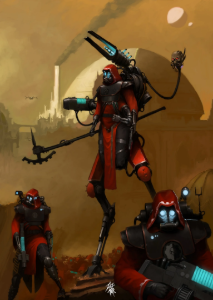
Honestly, the gear crested helmets of the Skitarii (or really anything having to do with the Mechanicus in 40k) is such a vibe... one not too far off from Jonas tech
-
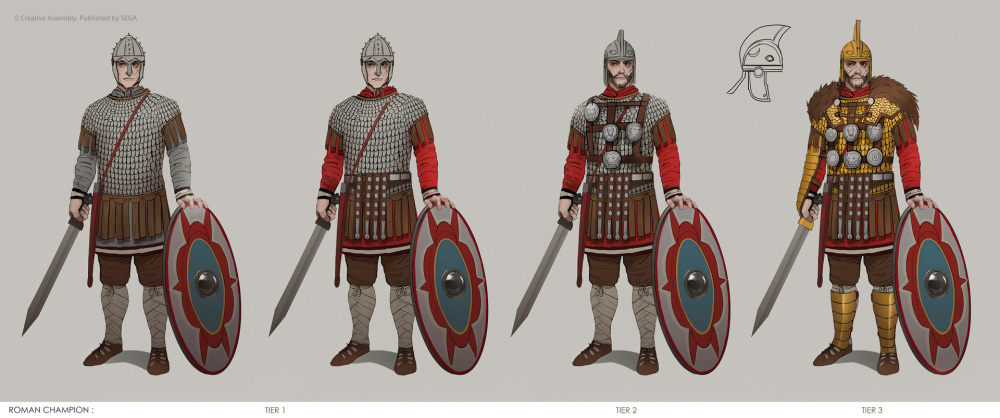
This might come a little out of left field being a grand-strategy series, but (with the exceptions of the Warhammer fantasy trilogy, and some cultural depictions in Rome 1) the historical Total War games from CA feature excellent representations of armor from across the world and different time periods. Not only are the in-game models very good, but there is a lot of art available from that studio's design process - showing both the fine details of armor models and the historical research behind it. There is an official art book available (amazon.com/Art-Total-War-Samurai-Legions/dp/1783292164), but a lot of the concept art can also be found for free online: A portfolio from Senior Concept Artist Sarah Duchiewicz - https://telthona.artstation.com/projects/za6O2?album_id=1216366; another from Artist Nikolay Toshev - nikolaytoshev.artstation.com/projects/kN4W9A; and one more from Art Director Lulu Zhang - artstation.com/artwork/0X5Dz8; -ex (a late Roman/early medieval era concept from Total War: Attila):
-
Maybe another approach to generation would be starting with the water-table (the underground plain at which moisture collects because it can descend no further). This, with seasonal variation, usually happens where the deepest soil layers meet bedrock *(though Aquifers -layers of porous Carbonate or Basalt rock types- can also absorb water, and Aquitards -soil rich with clay or too steeply angled- tend to resist absorption). Since terrain generation already takes into account geology + biome, it should be possible to generalize where its water table forms: in a desert chunk, for example, it would be a single block thick at bedrock level, whereas in a jungle chunk the table could be several blocks tall from bed rock. Any open air spaces that intersect the water table would fill with water (be they caves or river beds). Implementing the water table creates a basis for saying where rivers should start (a chunk with a higher water table abutting a lower elevation chunk). That wouldn't in itself solve the issue of creating realistic erosion paths or consistent volumetrics, but, assuming that (due to gravity) water always wants flow down to be, or fill up to, as close an elevation with the water-table as possible, that provides us a context (alongside knowing what materials form Aquafers vs Aquitards/Can vs can't be easily eroded) for where the river would wear a channel through the land vs where (having reached the local water-table, or erosion resistant barrier) it would spread out into a pond/lake. Going further, with the Water table's height tied to seasonal variation (temporarily up during rainy season, or down during a dry spell), it would be possible to simulate flooding and drought. There is already a water saturation mechanic for cropland, by averaging this measure at a chunk/layer level, it could even be possible to track the change in the water-table day by day as a result of rainfall + temperature. (Maybe it's a pipe-dream, but imagine seeing puddles in the ditches after a rainstorm, then watching them vanish as the saturation transfers block layer by layer down to the water table) Besides its benefit to the river generation project, the water table (specifically being able to dig down to it) is the entire basis of making wells, which would, as is the case in real life, significantly open up inland/dry-region living.
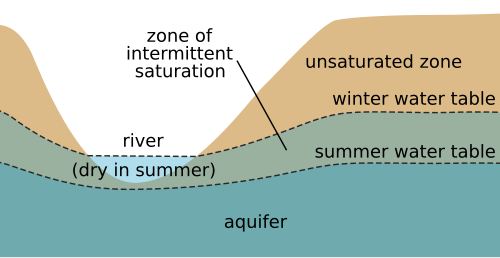
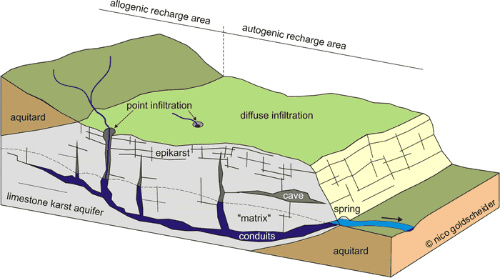
-
Deeper npc to player interactions are on the road map, it is just not clear yet what those will look like. Personally, I really like the suggestion of a Stardew-esque model. Maybe we can't make our own villages, but perhaps we could complete missions and resource donations to expand/develop npc locations that already exist, like the traders' outposts. For example: they could have a mission for us to...give them a certain number of logs + boards and they then build a look-out tower (a nice aesthetic reward paired with an increase to the rate at which the trader's inventory refreshes - since, narratively, the journey has become safer). Alternatively, they want seeds and some fencing, so they can build a little garden (adding that crop dependably to their trade inventory), or cobblestones and a forge to make a smithing hut (so you can purchase tool/armor repairs). These could be framed as additions to the trader's homestead, or as camp expansions for crafts-persons (like mini-traders) to come live on. That way different trader locations can be invested in by the player to tailor that relationship/market for what they need. Ideally, there would be several different kinds of modular improvements, but each camp would only have room for 1 or 2. That way the player's decisions on what to add have weight, and the system (since it relies on loading in developer-made models at predetermined connection points, rather than letting the player build in restricted areas) doesn't bloat across the line into settlement building/management (which the devs have stated they aren't interested in adding). Maybe the most out there idea that I would love to see would be having missions to connect different trader camps via roads (a continuous chain of stone paths connected to a post-box type structure in each camp) in exchange for a cumulative cost reduction on purchases or increased wares quality within the network; just to make it really feel like we are bringing the world back from ruin in a theme appropriate way for the game (by creatively re-shaping our environment through building/crafting). Even if these improvements were purely aesthetic, or only received a one time payment as compensation, Stardew Valley stands as the text-book example for how the possibility of altruism, balanced with the need for survival, can gift players another frame for filling out their personal narrative and setting: of wasteland survivors or frontier "communities;" of relationships based in neighborliness or pragmatism; if these are the seeds of a new age or the last husks of a dying one; and, most of all, whether the players engage with that setting as a backdrop, or a dynamic character, in their story. (acknowledgments to @Zero_ in the "The only major thing still missing" thread, where I originally posted this as a response, before deciding it was more of a separate suggestion)
-
As far as I know the developers have said that they don't intend to add player build-able villages as a base game feature; and, while I do see it as a missed opportunity, I respect their overall reasoning about maintaining a tighter focus on individual survival. Plus, they want to avoid those weirdly exploitative relationships (crossing the line into slavery) between players and villagers in games like Minecraft (which I think is more a product of the player to npc interactions being too underdeveloped as a system in that game, but that is beside the point here). - - That said, deeper npc to player interactions are on the road map, it is just not clear yet what those will look like. Personally, I really like this suggestion of a Stardew-esque model. Maybe we can't make our own villages, but we can definitely develop relationships with the NPCs by completing quests, just so long as the emphasis is on adding something new to the world through the interaction (be that dialogue options, a physical object/structure, or a modifier), and not just an arbitrary in-put for out-put of different resources. This might need a new thread to discuss, because this one here seems to be more about the relationships themselves, but I think that there is a lot of room to explore in developing NPC Locations through player investment. That, I hope, is an avenue for creating deeper interactions while respecting the dev team's vision.
-
Ceramic alternative to Barrels - Dolium
Perdido Street replied to Perdido Street's topic in Suggestions
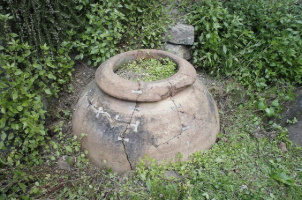
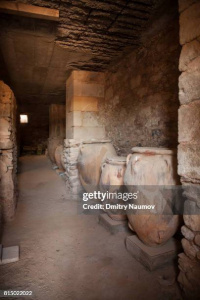
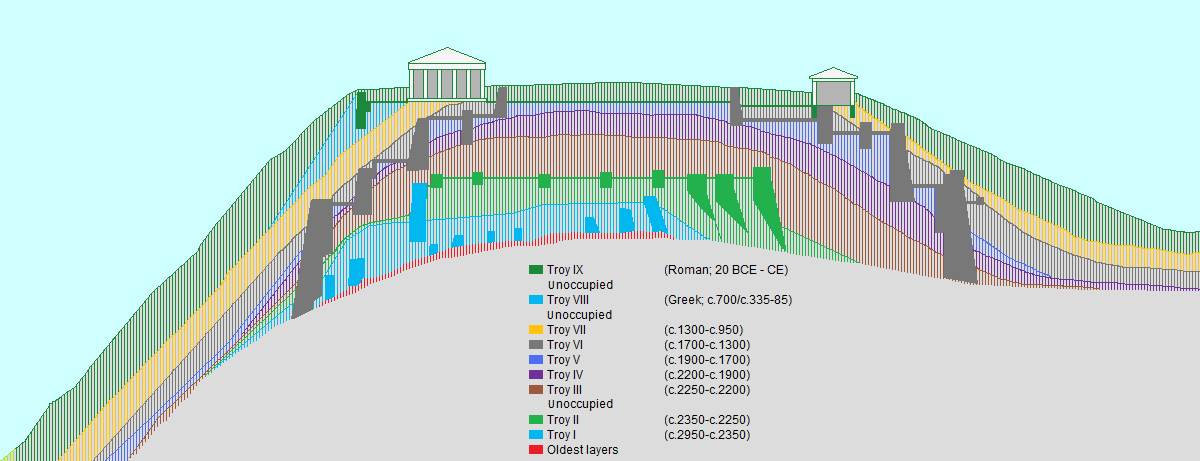
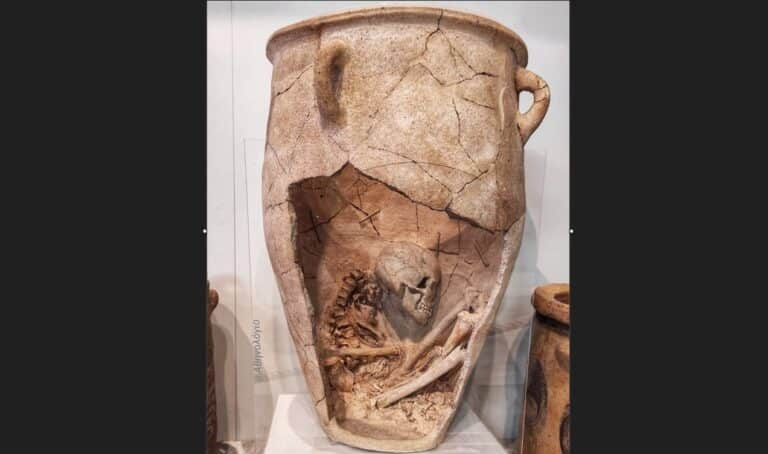
The main idea here is about adding a ceramic alternative to the Barrel, but to take a brief detour into the burial topic: Yeah, given the lore in game about people going underground into bunkers, it is easy to imagine some old catacombs/tombs being repurposed for the job. Regardless, the survivors wouldn't be able to waste wood on making coffins, so the only way to deal with corpses (aside from cremation or cannibalism) would be to bury them in the floor/walls; If burial vessels were used at all, they would have to be either stone sarcophagi (solid, but large and difficult to make - which is why they historically were reserved for aristocrats) or ceramic Pithoi (space efficient, relatively cheap/easy to produce, and resistant to decay - which I would guess is the historical basis for their use as burial vessels too). I imagine that it could be pretty interesting during a play-through to knock on the walls of a ruin and find a burial niche behind it, or be out digging in the fields only to find a Pithoi submerged in the ground. These types of burial sites often included offerings, and finding an idol, a rusted piece of armor, or gold coins alongside the bones would tell a little story by itself (in addition to providing useful goods for the player). That, or it could just be empty. Look anywhere that humans have lived for a long period and you will find pottery shards. Settlement Mounds are the archaeological term for the masses of ceramic, old buildings, and biological remains from human settlements building over each other for millennia (ex: all the different layers of Troy).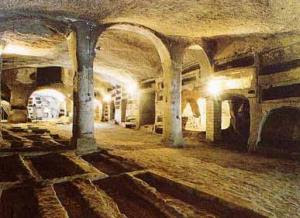
-
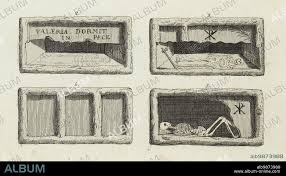
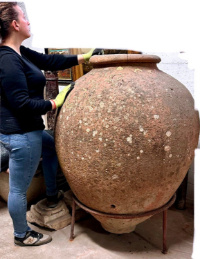
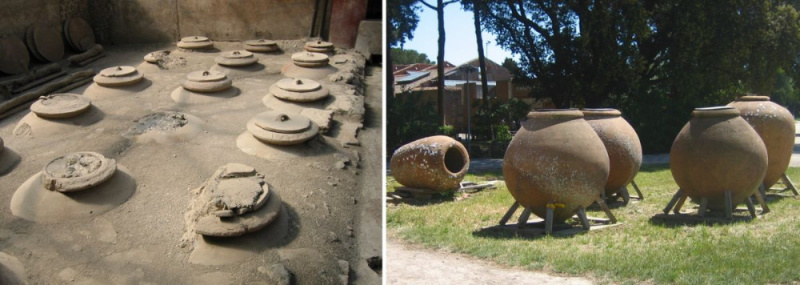
Ancient Romans used barrel sized ceramic containers called Dolium, or Dolia plural, (usually buried up to the rim in the foundations of rural villas) as storage, and particularly for fermentation. Having an earlier game version of the barrel (with its uses for liquid storage, fermentation, and especially for making compost) would be nice, and could be balanced by having less overall efficiency. Also, not the main point here, but Dolium would make a fine addition to ruins; especially considering their secondary use as a method of burial (called Pithoi in that context). The hidden content here isn't actually a spoiler - it is an image of an excavated Pithoi with a skeleton inside (I don't know if that would be distressing to some people, it is ancient, so decide for yourself).
-
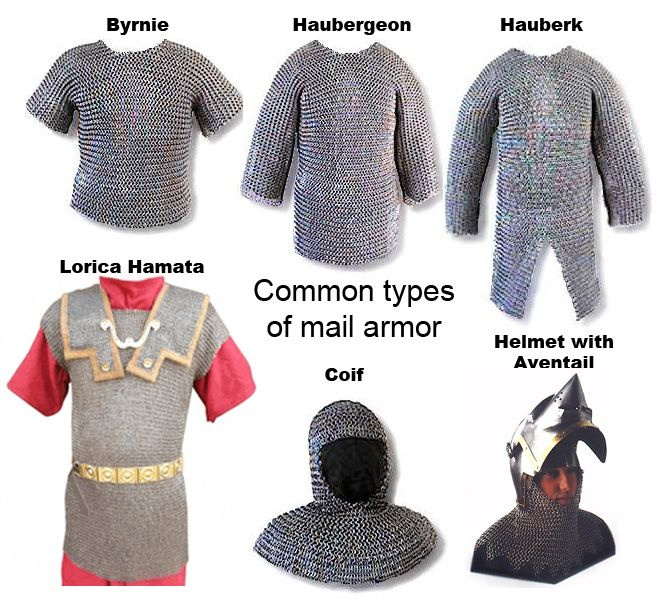
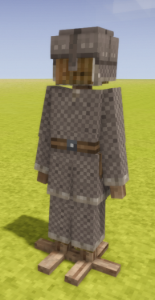
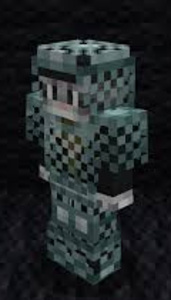
Here is where I have to disagree, there are definitely ways of creating distinctions between different kinds of chainmail using color and texture, even with only pixels to work with. Light mail - take the Minecraft approach of having some gaps (albeit smaller/more form fitting ones), or else make it slightly translucent. After all, it's light chain, not solid plate, the color of what's underneath is going to come through. Medium mail - pretty much leave the model as is for this one Heavy mail - either make the model overall a bit thicker looking, or else add a slight 3D projection on alternating voxels to convey material depth. Everything from clothing sets, belts, jewelry, and even hair already use this type of texturing, and to great affect If you want to make it even more readable then, like you said, throw in different hem shapes (irregular or with torn links - to convey airy-ness for light mail, triangular trim - to show balanced craftsmanship on medium mail, straight or with square trim - to convey unyielding-ness for heavy mail). I think that the methods I have listed above are sufficient to create visual distinction between chain-mail types, and are doable with tools already available to the game. To give an example of the visual progression, from Light to Medium to Heavy: --> -->
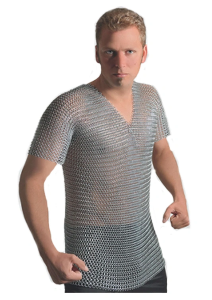
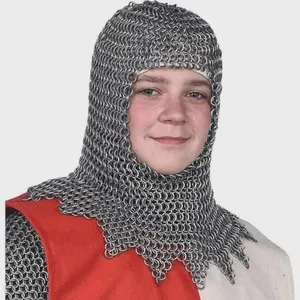
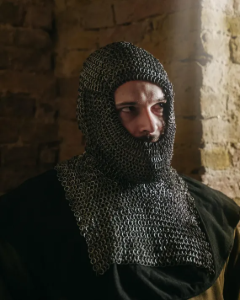
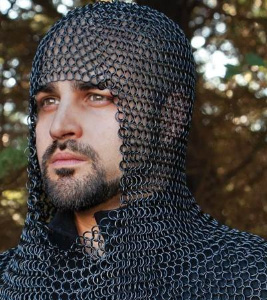
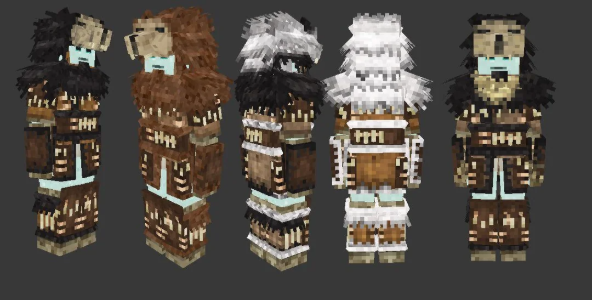
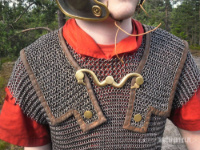
-
I absolutely agree, which is why I believe that the different chain-mails I suggest (just one Light, Medium, and Heavy variant as a simplified representation of the real world spectrum of mail styles) would add depth + more tools for visual expression, without getting too convoluted: I know that the plate layer is going to be the main star of the show in this system, but I hope that at least some attention is given to how different variants of mail or padding can be made, and layered to affect the protectiveness, overall production/maintenance cost, and weight of armor sets; whether players want to build specialized kit for speed, cheapness, or pure strength, in addition to the more aesthetic concerns.