

Doctor Antiquarium
-
Posts
27 -
Joined
-
Last visited
Content Type
Profiles
Forums
Blogs
News
Store
Everything posted by Doctor Antiquarium
-
I suggest adding colored glass, as well as glazing and enameling ceramics. To achieve this, the addition of oxide pigments is required, some of which are already implemented, but others are not. The addition of certain pigments also necessitates the inclusion of new minerals that are not currently present in the game. 1. Techniques for Glazing and Enameling In the game, the process of glazing and enameling ceramics can be implemented as an advanced crafting mechanic, allowing players to customize and enhance their ceramic creations using the following methods: a. Brush Application A brush can be used to apply pigments directly onto fired ceramics, allowing for precise detailing and custom patterns. The pigments, obtained from various oxides, must be researched and applied effectively to achieve the desired results. b. Pigment Dipping Another option is to use a barrel to dip the fired ceramics into a solution of water mixed with oxide pigment. After immersion, the piece is fired again to fix the pigment, resulting in a vitreous and durable finish. This method is efficient for treating large quantities of ceramics or achieving a uniform finish on the entire piece. 2. Creating Colored Glass Colored glass can be created using metal oxides during the glazing process. Players will have the opportunity to experiment with different combinations of oxides to achieve a wide range of colors and effects. The main oxide pigments that could be included are: Copper Oxide: Produces green and turquoise colors. Obtained from native copper. Also malachite. Nickel Oxide: Produces green and turquoise colors. Obtained from pentlandite. Iron Oxide: Results in red, orange, yellow, and brown tones. Obtained from iron ores. Lapis Lazuli: Provides a deep blue. Already implemented. Cobalt Oxide: Provides a deep blue. Requires the implementation of cobalt minerals. Manganese Oxide: Produces black and brown colors. Obtained from rhodochrosite. Antimony Oxide: Exclusively used to create yellow hues in glazes. Requires the implementation of antimony minerals. Lead Oxide: Used to produce white tones, providing opaque and glossy finishes. Obtained from galena. Tin Oxide: Also used to create white tones, offering a shiny and opaque finish. Obtained from cassiterite. Copper-Barium Purple (barium cuprosilicate): Used to produce purple hues. Made by mixing and cooking Copper Oxide, Witherite (barium carbonate, needs to be implemented), and ground Quartz. Manganese Violet (ammonium manganese(III) pyrophosphate): Used to produce purple hues. Its acquisition process would be complex, requiring some alchemy. Future updates will explain a possible process, but possibly it needs manganese oxide and bone powder or phosphorite and saltpetter. 3. Production of Oxides a. Copper Oxide from Native Copper Native copper, a pure copper mineral, can be collected and heated in a furnace at high temperatures or exposed in a barrel with vinegar to produce copper oxide. This oxide is then used for pigmenting and glazing. b. Lead Oxide from Galena Lead oxide is obtained through an oxidation process of metallic lead, such as by firing. c. Tin Oxide from Cassiterite Cassiterite, a tin mineral, can be processed to obtain tin oxide. 4. Prerequisites and Additional Resources For a complete glazing and enameling experience, it is recommended to include the following additional elements in the game: Manganese (metallic), Witherite, Cobalt, and Antimony: These minerals are essential for creating a full range of pigments and glazes. They need to be sought and collected to access all the desired colors and effects. Cobalt: Found in minerals such as esmaltite. Used to produce vibrant blue tones. Antimony: Obtained from minerals such as stibnite. Specific for creating yellow hues in glazes. Witherite: Carbonate mineral.
-
The forging method is the same as real modern damascus: sheets of one or more types of steel are stacked and heated to weld. In real life there may be additional steps such as twisting the steel, etc., resulting in diamond patterns as a result. The pattern reveal is currently done with strong acids (sulfuric, nitric, hydrochloric, iron chloride, etc.), but since alchemy is not implemented in the game, I have opted for alternative methods. It is possible to carry out this process with weak acids (water with tannins, juices, vinegar, etc.), but it will be very slow. Another option is to remove this step altogether, since it is not really necessary (in real life it is used only for aesthetic reasons). I considered that Damascus steel must be better than common steel to be worth the effort to make it. Yes, in real life, modern steels are better than the Damascus steel of ancient times, BUT Damascus steel was better than the conventional steels of its time when was invented. ... Temporal steel seems like a good idea, but I think it should have other exotic attributes instead of being just another tier. For example, it could have retrocasual properties, such as dealing damage before you hit the target, or continuous self-repairing (the material slowly travels to a state back in time). That would make it very interesting. Perhaps it can be used in special clockpunk weapons such as polyboles or automatic crossbows.
-
In Vintage Story, the incorporation of Damascus steel could be added through a detailed process that includes combining specific materials, multi-layer forging, and acid etching. This process not only enriches the game with a fascinating historical technique but also introduces new mechanics and challenges for the players. To begin, players must gather ingots or plates of steel and meteoric iron. These materials are placed in the forge and heated to the appropriate working temperature. The first step in creating Damascus steel is to flatten and combine these materials using a hammer in the forge. This process must be repeated several times: the materials are flattened and stacked, gradually creating a laminated steel with multiple layers. The goal is to reach a factor of 128 layers, which may require several cycles of work in the forge. Once the desired number of layers has been reached, the materials are forged into a Damascus steel ingot. This ingot, after cooling, is ready to be used in the crafting of various tools and weapons. Among the items that can be forged with this steel are the falx, spearheads, knife blades, and swords. Each of these weapons and tools is formed in the forge, where the Damascus steel ingot is heated and hammered into the desired shape. The final step in creating Damascus steel involves etching the blade or head of the weapon. For this, players must submerge the forged item in a barrel of tannin water or juice. This liquid acts as a mild acid that etches the surface of the steel, revealing the characteristic patterns of Damascus steel. The blade should remain in the barrel for a specific period to ensure effective etching. Once the etching is complete, the blade or head must be cleaned and neutralized. This is done by submerging it in water with lime or borax, which neutralizes the tannins and removes any acid residue. After this process, the blade is thoroughly washed to ensure it is free of any corrosive substances. Finally, the tool or weapon is completed by mounting the handle. In the crafting grid, players place the etched blade or head along with a stick. Damascus steel weapons would have greater durability and damage compared to ordinary steel weapons.
-

tree Nickel Tree (Pycnandra acuminata)
Doctor Antiquarium replied to Doctor Antiquarium's topic in Suggestions
Update: - Added Nickel Dispersed in Soil mechanics for do this non-renewable. Now Pycnandra acuminata reduces nickel concentration in soil when grows up. - Added Nickel Dispersed in Soil concentrations for each rock in game (only counts the upper rock layer). -
tree Nickel Tree (Pycnandra acuminata)
Doctor Antiquarium replied to Doctor Antiquarium's topic in Suggestions
Update: Added a summary, as I think people get scared seeing so much text. xd -
Opium?
-
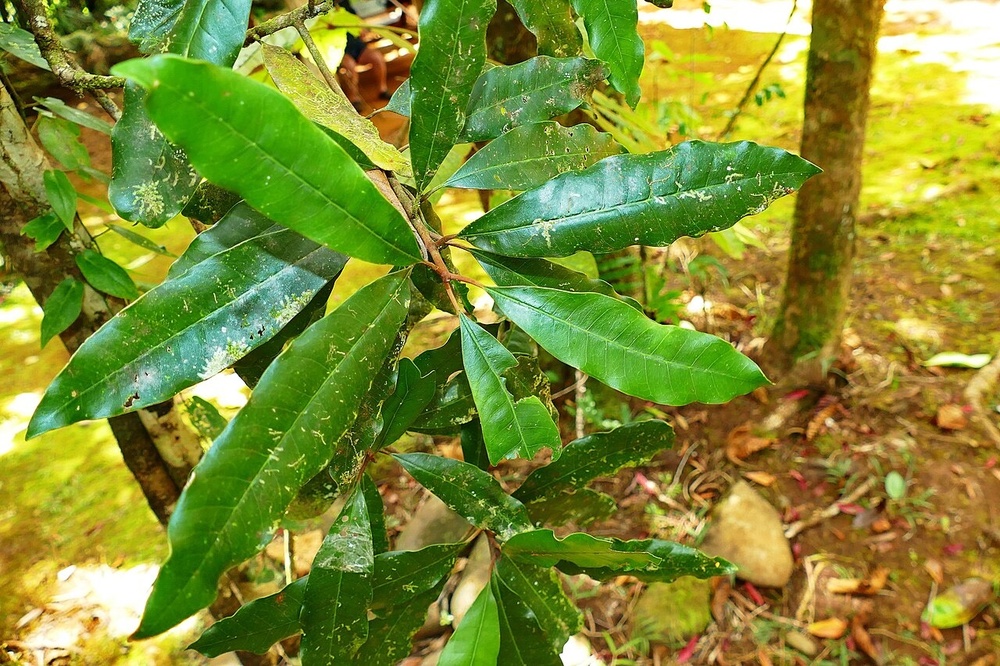
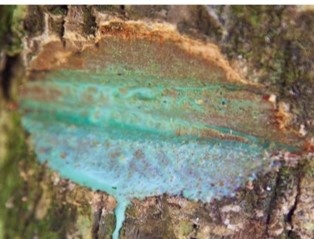
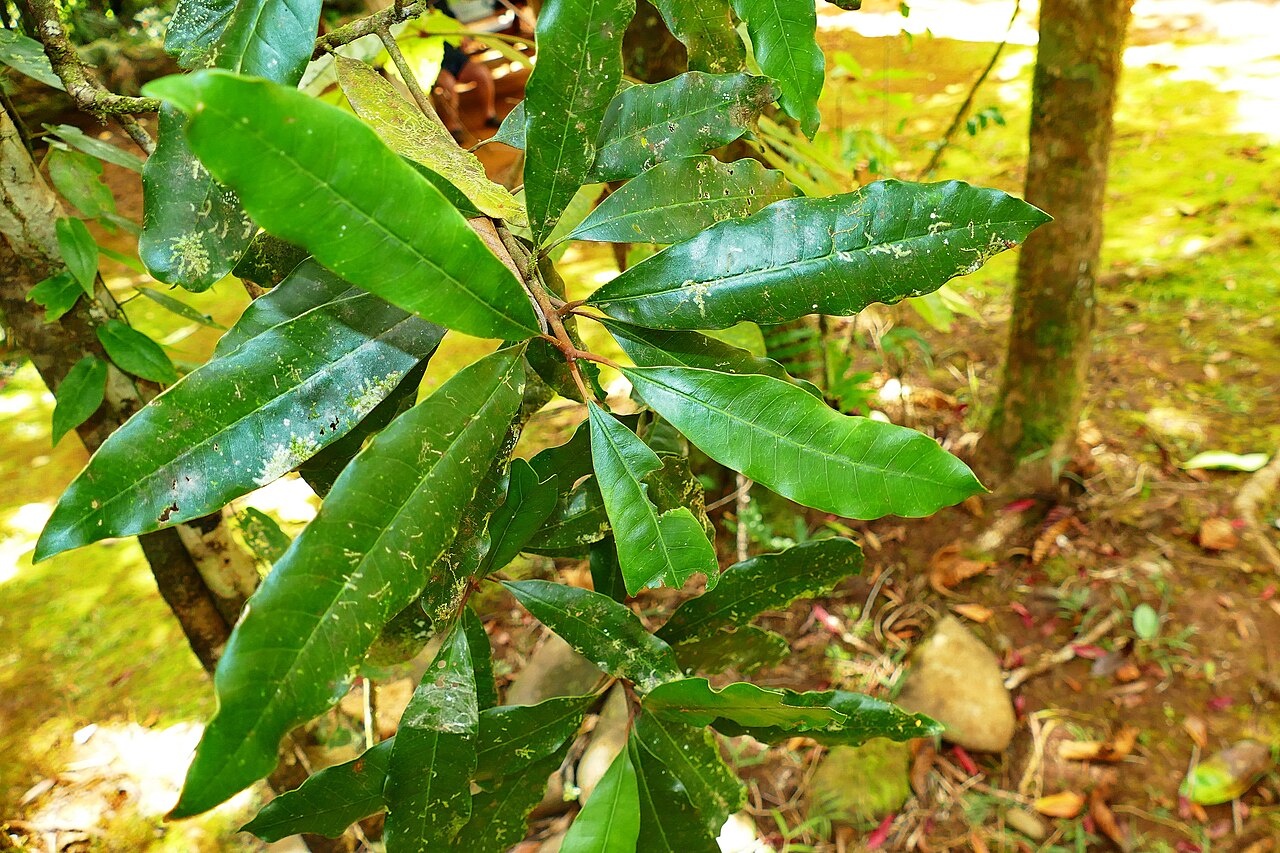
Summary of all the topic: Pycnandra acuminata, known in French as "sève bleue" or "blue sap," is a remarkable tree endemic to the tropical rainforests of New Caledonia. This tree has the unique ability to absorb nickel from the soil and concentrate it in its turquoise green latex, being the only known plant with this distinctive coloration. Adapted to thrive in ultramafic soils rich in nickel, it is one of the most prolific trace metal hyperaccumulators known. Its latex has a 25% of nickel per weight, and its wood can contain until 8% of nickel per weight (which is not little considering that one tree can weigh several tons). A marvel of nature! in-game Tree Characteristics: Common Name: Blue Sap Tree, or Nickel Tree. Height: Can reach up to 15 blocks tall. Wood: Brown-grayish bark. Interior is rust-colored, reddish-orange. Fruit: Similar to an olive; green when unripe and reddish-brown when ripe. Ecosystem: Exclusive to warm and humid (tropical) climates. Geology: Exclusive to ultramafic provinces. More frequent in sandy and gravelly soils of peridotite. Generation: Unusual and limited to regions that meet the aforementioned characteristics. Farming: Only grow in chunks with a Nickel proportion in soil of at least 30 ppm. See the "Nickel in Soil" paragraph for more info. Harvesting and smelting "Blue Latex": Some specimens will have "bleeding trunk" blocks that, when broken or interacted with using an empty hand, will release units of dried blue latex. If not broken, the bleeding trunk will continue producing blue latex. The blue latex appears as pastel turquoise fragments. Each unit of blue latex can be smelted to obtain a nickel nugget. Wood Uses: The wood of Pycnandra acuminata can be used in construction and decoration. Wood blocks also can be incinerated, producing a "nickel-rich ash" (or nickel enriched bio-ore) that can be melted on a low furnace to produce nickel ingots, producing one nugget of nickel per block of wood (which is not realistic, because in real life it contains much more nickel, but this is for balance reasons). Nickel in Soil: Nickel Dispersed in Soil (ppm): Nickel is not a renewable resource. Each chunk has a specific concentration of nickel dispersed in the soil (measured in ppm), which can be assessed using a prospecting pick. Nickel in soil consumption from Nickel tree: When a Pycnandra acuminata tree is planted, it absorbs between 1 and 3 ppm from the chunk as it grows. This makes it not a renewable source of nickel, but potentially almost limitless depending on the chunk. Amount of Nickel in soil per Chunk (ingots): The amount of nickel in a chunk can be calculated as: 16x16x3xPpm/1000 ingots. For example, a peridotite chunk with 3000 ppm in soil can yield up to 2400 nickel ingots before running out of Nickel in soil. Minimal nickel concentration for farming Nickel tree: Pycnandra cannot grow in a chunk if it doesn't have sufficient nickel concentration (minimum 30 ppm); the sapling will display a message "this tree will not thrive in this location." Nickel concentration in soil (ppm) per upper rock layer, table: Granite 0-50 Diorite 10-100 Gabbro 30-300 Basalt 30-300 Andesite 10-100 Rhyolite 0-30 Peridotite 500-5000 Sandstone 0-70 Limestone 0-50 Conglomerate 0-70 Clay/Shale 10-100 Dolomite 0-50 Shale 20-300 Marble 0-50 Slate 10-120 Serpentine 500-5000 Quartzite 0-30 Impact in the Game: Adds a new tree species that enriches the game's biodiversity. Introduces new wood blocks for construction and decoration purposes. Provides a new way to obtain nickel, encouraging the exploration of specific biomes. The ingenuity of nature never ceases to amaze! Incorporating Pycnandra acuminata would not only enrich the game's biodiversity but also introduce a new nickel obtaining mechanic, making exploration and collection more exciting and strategic.
_acetate_tetrahydrate.thumb.jpg.b8dfd23c480f8b4653cb8a51ec381985.jpg)
-
More immersive prelude to temporal storms
Doctor Antiquarium replied to justniek98's topic in Suggestions
I like this suggestion, but I agree with this: -
I think it should be two composting types: - Thermal composting: in large piles exposed to fresh air, that can include meat, bones, wood, etc; and needs aeration each several days for avoid fires. - Vermicomposting: compact, in open boxes or open barrels, that only accept vegetable rot and vegetable materials (including fruits and vegetables), using earthworms that multiplies in the process.
-
It would be interesting to have a way to skip the time.
-
I have a detailed proposal to improve agriculture and redesign the seed production mechanics in Vintage Story, making it more realistic and rewarding. 1. Seed Production The initial idea behind this suggestion is to introduce a farming system that enhances gameplay and realism for crops by adding complexity to the growth cycles of some crops, and allowing for plant propagation. 1.1. Seed-bearing Crops Crops such as cereals (wheat, rye, spelt, rice), legumes (soybeans, peanuts), and industrial crops (flax) will exclusively produce grains upon harvest (excepting flax, which also produces flax fiber). These grains can be either replanted or used to produce food. Players must decide how much grain to use for replanting and how much for consumption or manufacturing. Implementation: Upon harvesting these crops, only grains are obtained. In the crafting grid, grains can be converted into seeds (1 grain = 1 seed bag). This introduces a layer of resource management, as players need to balance between consumption and future production. 1.2. Biennial Crops Biennial crops such as brassicas (cabbages, turnips), root vegetables (carrots, parsnips), and bulbs (onions, garlic) will have two growth phases. Phase 1: Produces roots, bulbs, or vegetables ready for harvest. Phase 2: If not harvested, plants will flower and produce seeds. These plants will not produce vegetables, only seeds. Players must decide how many plants to harvest for immediate consumption and how many to leave for seed production. 1.3. Herbaceous Fruits Herbaceous fruit crops (cucumber, pumpkin, eggplant, etc.) produce fruits that can be consumed or used to obtain seeds. Fruits can be placed in the crafting grid to extract one seed bag per fruit. Players must decide how many fruits to use for seeds and how many for consumption. 1.4. Other Crops For other crops not covered in the above categories, unique growth cycles and specific methods of seed production can be designed. 1.5. Advantages of the Proposed Rework The advantages of the proposed seed production system in Vintage Story are significant, offering both agricultural realism and improvements in resource management: Realistic Life Cycle: The growth and reproduction phases closely mimic the real-life plant cycle of crops. Plants will only produce seeds once they reach full maturity. Real Agronomic Decisions: Players face decisions similar to those of real farmers. They must balance between harvesting for immediate consumption and leaving plants for future seed production. This encourages strategic planning and careful resource management. Renewable Resources: By allowing the extraction of multiple seeds from each plant, crops become renewable and replicable resources. This means players can expand their agricultural production without solely depending on initially collected seeds. It represents a shift towards more sustainable and self-sufficient agriculture in the game. 2. Pests and Diseases Incorporating pests and diseases adds a significant layer of challenge and realism to the agricultural experience in Vintage Story. 2.1. Diseases Diseases, primarily fungi, arise with a low probability but can spread rapidly once present. They have an affinity for plants of the same species or type, favoring propagation in areas with concentrated crops of the same type. Mitigation through Diversification: Creating strips of different crops can effectively reduce the risk of disease spread to a certain extent. For example, strips of up to three columns of the same type have the same propagation rate as a single column, optimizing the use of tools like the scythe. Soil Impact: Once an infected plant is harvested, the fungus persists in the soil. Crop rotation or leaving areas fallow can help eliminate the soil-borne fungus. Cereal Resistance: Cereals exhibit higher natural resistance to diseases, reducing their likelihood of occurrence and spread. 2.2. Pests Pests have a higher probability of appearing than diseases, although their direct impact is less severe. They spread slowly and can affect different types of adjacent crops. Types of Pests: Aphids: Can be effectively controlled by planting wildflowers near crops to attract beneficial insects. Rabbits: Pose a particular threat to root crops and require more active measures such as fences, guard dogs, traps, or hunting for control. 2.3. Countermeasures: Cultural Measures: Crop Rotation: Changing the type of crop planted in a plot after each harvest reduces the likelihood of diseases and pests. Fallowing: Leaving plots unplanted for a season allows diseases present in the soil to naturally die off. Wildflowers: Planting flowers attracts beneficial insects that can control aphid pests. Fences and Guard Wolves: Using physical barriers and guard animals to protect crops from rabbit pests. Hunting: Hunting rabbits to reduce their impact. Chemical Measures: Sulfur Application: Sulfur can be used to treat and prevent fungal diseases in crops. Botanical and Alchemical Pesticides: Developing and applying pesticides derived from other plants, or crafted through alchemy (primitive chemistry), to control pests. 2.4. Conclusions Integrating these mechanics into Vintage Story not only increases the strategic complexity of the game but also educates players about realistic and sustainable agricultural practices. Players must carefully manage their crops and environment to mitigate risks and maximize productivity, providing a rich and challenging gaming experience. However, the implementation of pests and diseases should be handled carefully to avoid negatively impacting gameplay. Measures should be implemented to ensure that players do not have to constantly monitor crops, allowing them to engage in other activities such as mining, hunting, exploration, and crafting. 3. Forage Crops and Nitrogen Fixation (Green Manure) The main suggestion of this section is to add alfalfa and clover as cultivable plants. Adding alfalfa and clover as crops in Vintage Story can provide multiple benefits for soil fertility and animal forage supply. Alfalfa and clover have very low nutrient requirements and grow quickly, making them easy to cultivate even in low-quality soils, and can be harvested multiple times in a season using a scythe or knife. 3.1 Nitrogen Fixation - Green Manure One of the main advantages of alfalfa and clover is their ability to fix nitrogen in the soil, improving its fertility. Alfalfa and clover can be grown during fallow periods to restore and enrich the soil without the need for chemical fertilizers. After several cycles of alfalfa and clover cultivation, poor soils can become medium soils, and medium soils can become rich soils. 3.2. Use of Alfalfa and Clover as Forage Alfalfa and clover can be harvested and used as forage for a variety of livestock, including horses (if added), deers, cows, goats, wild boars, and rabbits. Harvesting and Storage: Alfalfa can be harvested at its optimal point, dried, fermented, and stored for later use as forage. 3.3. Composting Alfalfa and clover can be particularly useful in composting due to their high nitrogen content. They can help accelerate the composting process. Special mention I want to thank you for your attention. Any feedback, criticism or countersuggestion is welcome. I also want to give special thanks to Poncho for providing the idea of pests and diseases, and Thorfinn for providing the idea of biennial crops.
- 1 reply
-
- 2
-

-
- agriculture
- food
- (and 4 more)
-
Or you can avoid monoculture and apply rotations, or make and apply primitive pesticides, so you don't have to worry about pests
-
We should make a collaborative suggestion
-
food Tripe and Blood (not gore, just food!), also Offal
Doctor Antiquarium posted a topic in Suggestions
I suggest the addition of blood and tripe. These items could be obtained from some animals. For example, you can get goat and wild boar tripe, and chicken and wild boar blood. Tripe can be used to make sausages such as meat sausages, blood sausages and salami, but also to make special ropes to build various objects such as musical instruments and bows, among others. The blood, depending on which animal it comes from, can be used in various recipes. For example, chicken blood can be allowed to clot (it will clot in 24 hours or less) and then chopped and cooked with onion, to make "blood and onion", also called "fried chicken blood", typical dish from Spain, France and the United Kingdom, and widely consumed during the Middle Ages. Pig blood can be used, along with tripe and other ingredients, to make blood sausage. There are 4 (7) types of blood sausages: - Meat blood sausages: made with blood, tripe and meat and/or fat. - Onion blood sausages: made with blood, tripe and onion. - Rice blood sausages: made with blood, tripe and rice. - Mixed blood sausages (4 subtypes): they combine meat, onion and rice (at least two of these ingredients), in addition to blood and tripe. To make the blood and onion dish, you need enough clotted chicken blood. However, to make blood sausages, little wild boar blood is used, so many blood sausages can be made from a single wild boar. To extract tripe, simply use a knife. The item will appear in its inventory, like when you extract meat. To draw blood, you must have an empty bucket in your left hand and use the knife. The animal body must be very recent, otherwise it will not produce blood. Additionally, various offal can be added such as aurochs heart, chicken liver; wild boar, goat and aurochs viscera, etc. These items, depending on which organ it is, can be cooked directly, or used in sausages (offal sausages) and meat and vegetable stews, containing a large number of saturation points. -
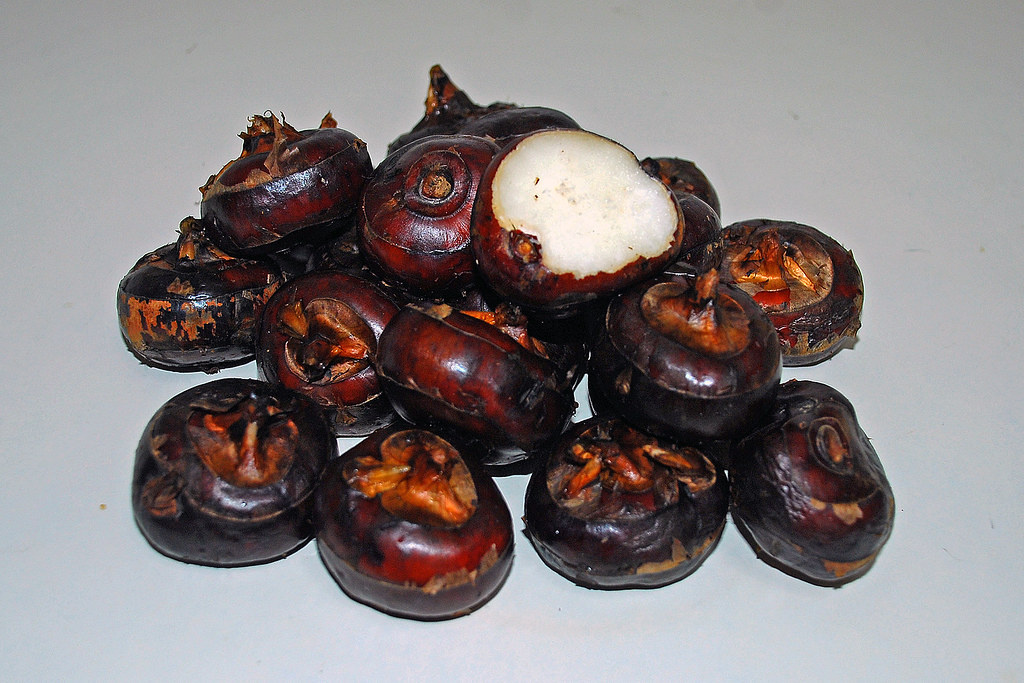
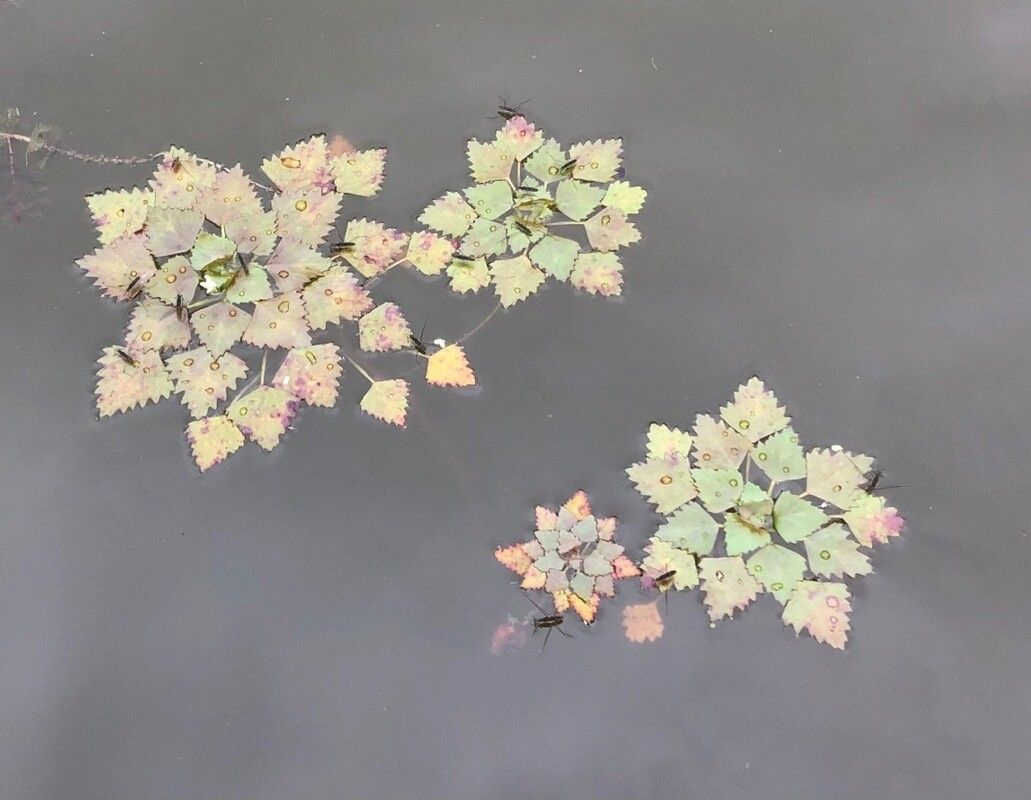
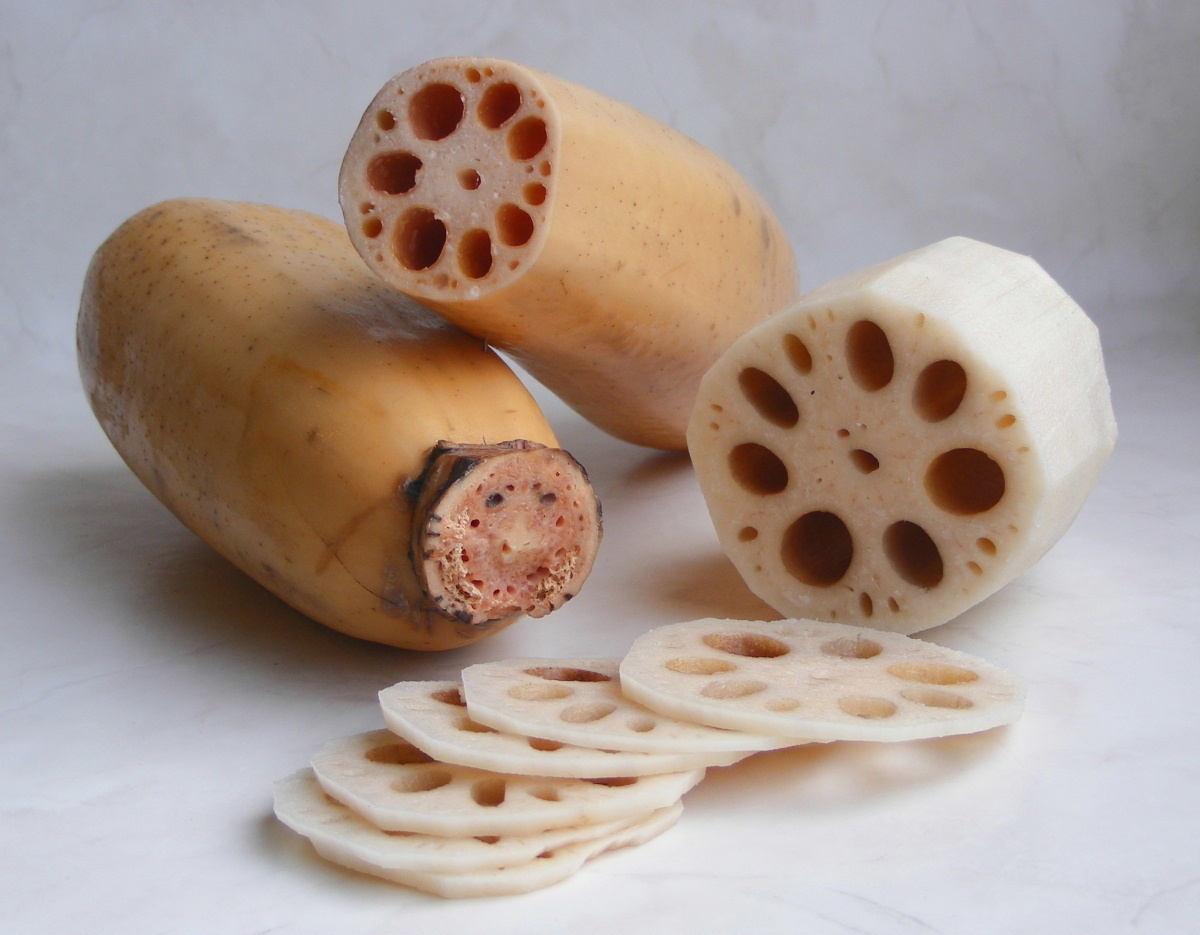
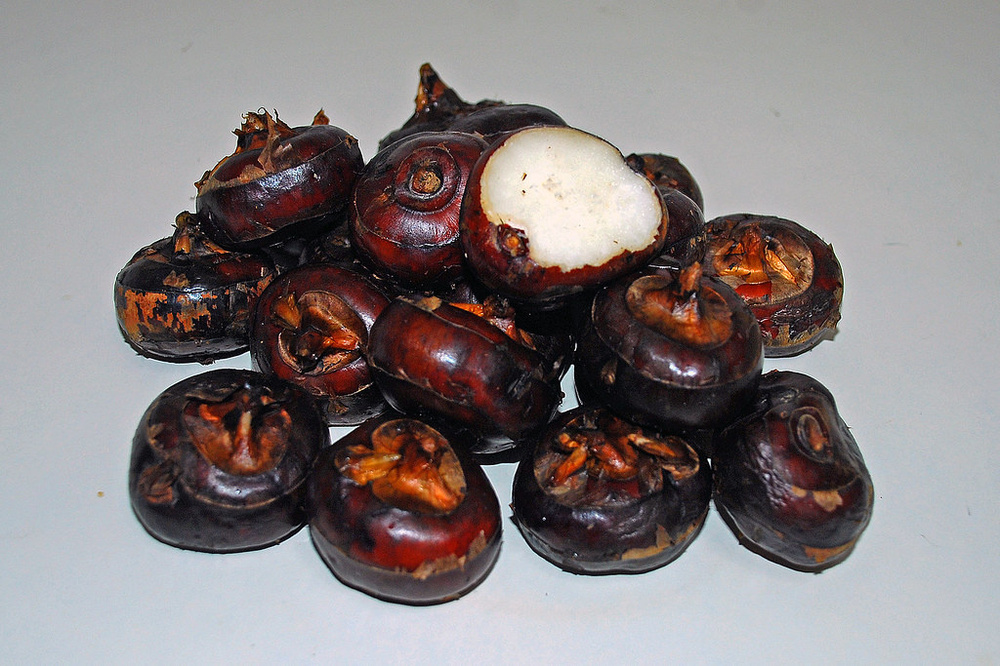
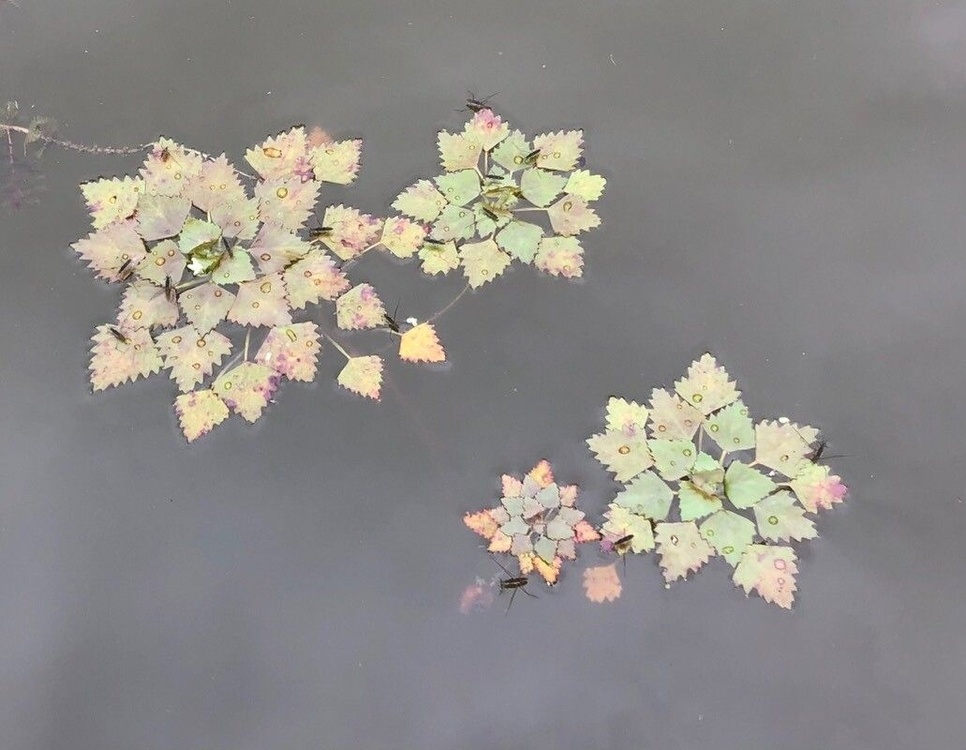
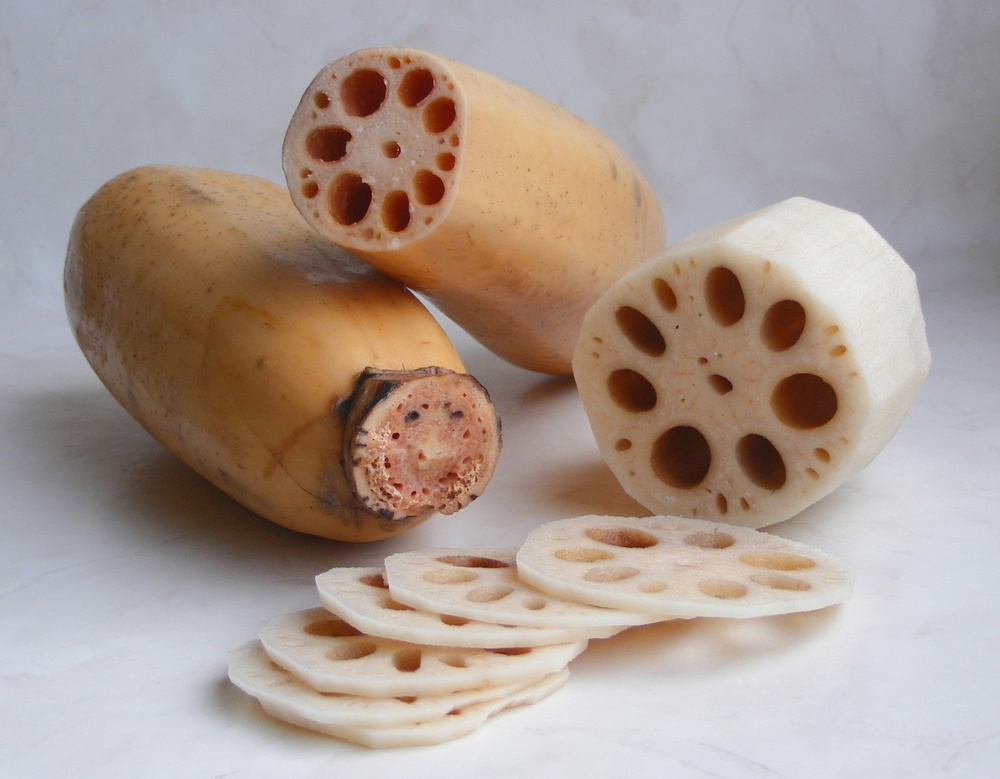
I would like to propose the addition of two new aquatic crops to the game: water chestnut and lotus root. These crops would not only add variety to the game's agriculture but also enrich the gameplay experience with new crop mechanics and dishes. Below, I detail how these crops could be integrated: Water Chestnut: The water chestnut is a tuber that grows in shallow waters. It is known for its crunchy texture and mild flavor. Cultivation: Water chestnuts are planted in swampy areas or shallow bodies of water. This crop has a moderate growth rate and thrives in temperate to warm climates. Once mature, water chestnuts are collected and can be eaten raw or cooked. Culinary Uses: Category: Fruit? Alternatively, vegetable Cookable: Although considered a fruit, water chestnuts are cookable, and may be an ingredient for stews. Lotus Root: The lotus root is an aquatic plant that is not only beautiful but also edible. Cultivation: Lotus root is planted in calm bodies of water. Its flowers emerge above the surface while the roots develop at the bottom. It requires warm climates and a stable aquatic environment. The growth process is longer compared to other aquatic crops. Lotus root is extracted from the water and can be used in various culinary recipes. The lotus flower could have other uses. Culinary Uses: Category: Vegetable. Versatility: Lotus root is considered a vegetable and can be used as a primary ingredient in vegetable stews or as an additional ingredient in meat stews. Arguments against this: Inappropriate historical context / Lore: Vintage Story is set in a post-medieval European post-apocalyptic era, so these crops would not fit the game's historical context. Water chestnut and lotus root are more typical of cultures and biomes of the Far East, and their inclusion could disrupt the historical and thematic coherence of the game. Too Many Crops: There are already many crops implemented in the game. Adding more could overwhelm players and dilute the uniqueness of each existing crop. Arguments in favor this: Exploration and biome diversity: While they may not fit in a post-medieval European context, traveling far to the East could lead to changes in biomes, toward biomes typical of the Far East of Asia (China, Japan, etc.), with animals, plants, and crops typical of those areas. This would allow for geographical and cultural expansion within the game, offering players new areas to explore and discover, and new ma terials and techs from those ancient cultures of Asia. Flexible historical coherence: The game's historical setting is not 100% faithful to medieval Europe, as there are already implemented plants like the sequoia, animals, and crops like rice and soy, which do not belong to medieval Europe. The inclusion of water chestnut and lotus root would follow this trend, adding diversity without compromising the essence of the game. Improved gameplay: Adding these aquatic crops would lead to a greater variety of foods and new farming systems, which can be positive for gameplay. Players would have the opportunity to experiment with new agricultural and culinary mechanics, enriching the overall experience and offering more strategic options.
.jpg.7b8936c525322a275c18e1612cbb535f.jpg)
-
I would also like to be able to save custom settings.
-
The reality is that some of those crops would lose productivity if left to seed, but I like the idea. My proposal: - Crops such as cereals (rye and spelled), legumes (soybeans) and industrial crops (flax) do not produce seeds and grains separately (grains are seeds!!!), but they will produce massive quantities of seeds (grains) that can be sown or meals. - Biennial crops such as cabbages and roots (carrots, turnips, parsnips, etc.) do not produce seeds, unless they are grown twice as long, in which case they will produce many seeds but no food. - You can transplant edible roots (carrots, turnips, parsnips), but growing them will not produce food, instead they will only produce seeds. These proposals would improve realism but also gameplay, making farming easier to massify and less tedious.
-
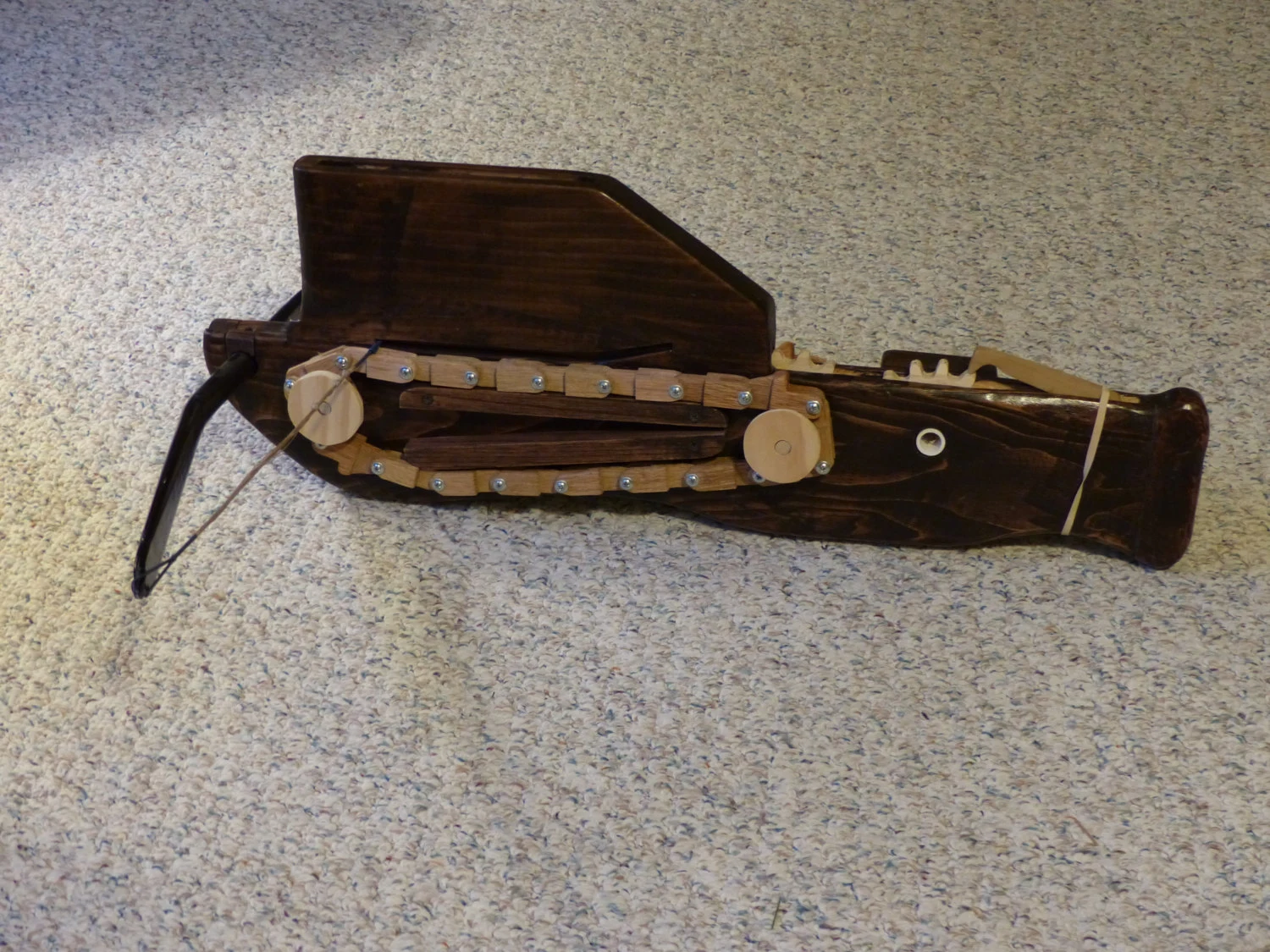
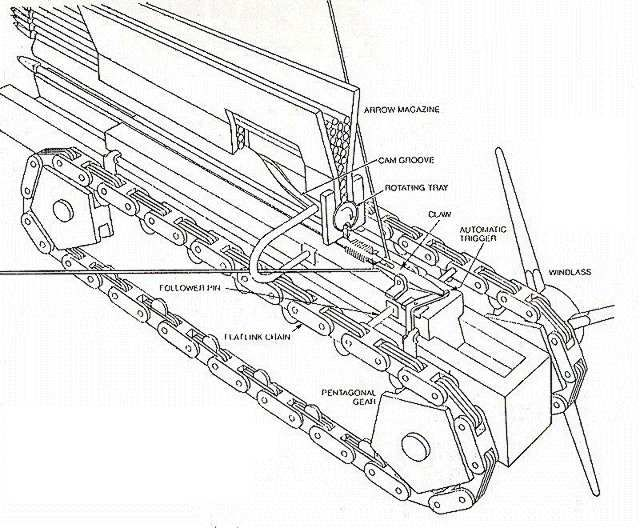
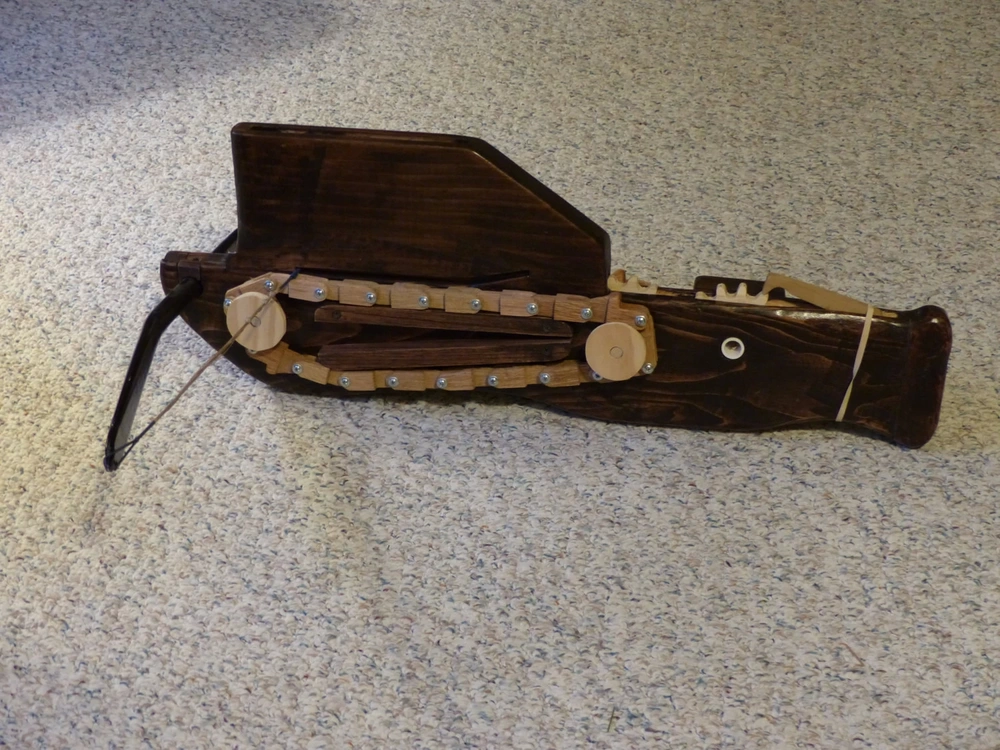
Overview: Machine crossbows, which could be named polybolos, would be an advanced and exciting addition to Vintage Story. These weapons would be very heavy and sophisticated, providing rapid and continuous firing capability using complex mechanisms and advanced game resources. Materials and Components: Small Brass Gears: Crafting: Can be forged in the metal forge or cast using gear molds. Usage: Small brass gears would be essential for constructing the automatic firing mechanism of the crossbow. Rechargeable Brass Springs: Crafting: Can be created through forging in the metal forge or using specific molds for springs. Recharging: These springs would need to be mechanically recharged, possibly using a specialized workbench or a charging machine. An alternative to brass springs for this suggestion, would be using temporal gears instead of springs in the recipe, as they appear to be perpetual motion objects. This would eliminate the need to recharge the springs or the weapon and the need to implement brass springs in the game. Also, antique gears could be used instead of brass gears. This avoids adding new additional objects to the game. If you want to increase the difficulty of obtaining the item, you could make it exclusive to the clockmaker, or make it require ancient blueprints. Other materials: Wooden planks, Linen, Leather, Resin, and Iron or steel chains. Possible necessary tools: Hammer, Chisel, and/or Saw. Features and Functionality: The weapon can fire a chain of up to 20 shots (20 loaded arrows), ensuring a continuous and steady flow of damage against tough enemies or large swarms of enemies. Rechargeable springs provide the necessary energy for the firing mechanism. The efficiency and duration of these springs may decrease over time and use. Automatic crossbows would be considerably heavy, significantly reducing the player's movement speed while using them. Due to the size and mass, weapon movement would be slow, reducing accuracy. For solve this, you can build a wooden or metal support. However, this means that the weapon can only be used from one place since you cannot carry it while it is on the support Recharging the springs would be a task that requires time and mechanical energy. The weapon also would wear out with use, requiring repairs.
-
ore Bog iron (Goethite) - rework
Doctor Antiquarium replied to Doctor Antiquarium's topic in Suggestions
Update: Rework of the suggestion.- 13 replies
-
- 1
-
-
- ores
- ore distribution
- (and 1 more)
-
bones Bones and utilities: tools, soups, ashes, etc
Doctor Antiquarium replied to Doctor Antiquarium's topic in Suggestions
I understand. In that case it may be necessary to differentiate fresh bones from old or clean bones. Ancient bones could also be implemented. Another thing that could fit is that the bones rot. Let me explain better: fresh bones, which contain marrow, would last several days fresh before turning into clean bones (without marrow), with a certain probability of turning into rot. Or maybe they all turn into rot without exception. Then the properties and utilities look like this: - Fresh bones: perishable, a group of bones can be manipulated with a knife to extract the marrow (one unit) and obtain clean bones at a time. Once they expire, they can be transformed into clean bones, or rot. They can be used to make bone broth, bone glue, bone meal, bone ash, and bone tool heads. - Marrow: useful for making bone broth and bone glue. It can be cooked and eaten directly. - Clean bones (or, simply, bones): imperishable. Only useful for making bone meal, bone ash, and bone tool heads. - Ancient bones: everlasting, found in mud with bones, sand, rocks and the like. They are mineralized (fossils) and cannot be used to make any of the above, beyond perhaps some block or decorative use. However, some could be made from pyrite, chalcopyrite and similar minerals, so nuggets can be extracted from them by crushing them. -
This post actually consists of several suggestions and not a only one suggestion, so I would like to ask the reader to evaluate each element separately if possible, although some elements are interconnected. I will explain what the suggestion/suggestions are about, separating each explanation into sections: Earthworms: A new entity that will come out of soils with medium or rich fertility when it rains or through the use of a special wooden tool called the "worm stick." Worms can be caught by hand and added to jars. They can be used as human food, for some animals, as fishing bait, or for a special and fast type of composting called "vermicomposting." Worm stick: The worm stick is used to "call" earthworms to the surface through vibrations created by driving the stick into the ground and rubbing it. This method is known as vermiculation. It is an ancient technique that has been used for centuries, especially for fishing. Animal feces: Animals will produce feces of several types (by the animal type). These will remain on the ground and can be identified by the player. They do not need to be very specific. They could have several categories for identification: "small predator feces," "large predator feces," "small herbivore feces," "ruminant feces," "slurry," and "bird feces". Each type of feces has different qualities. "Bird feces" are very rich in nitrogen. "Ruminant feces" can be used to make high-quality manure. "Slurries" are very rich in phosphorus but also saline and almost liquid in consistency. Predator feces indicate the presence of predators, some of which can be very dangerous to the player (large predators = bears), so it is good to know they are nearby. Initially, all types of feces (except predator ones) can be used to make manure, but ruminant feces are the best, of the highest quality, and the easiest to handle for this purpose. Feces of any type can also be used in classic composting, along with rotting and other food scraps. Predator feces can't be used for manure, but can be used for traditional composting. Manure: Applying feces directly to crops can increase soil salinity and the incidence of crop diseases. If salinity is high, it will burn the crops and ruin the harvest. However, you can mix grass, wheat, or dried herbs and soil with feces to make immature manure that over time, when placed in a pile or pit, will mature into something more stable and of better quality, with more assimilable nutrients, lower salinity, and lower risk of disease incidence. Vermicomposting and two types of rot: Vermicomposting is a process that uses plant residues (fresh or rotten, it doesn't matter), soil, and high-cellulose remnants (dry grass, wood, etc.) together with worms to quickly make a high-quality fertilizer in a few days or weeks (faster than classic composting). The process requires special tiered composters and can produce a surplus of worms from a few base worms, which can be used for human food, livestock, aquaculture, and fishing. However, there is a drawback to vermicomposting: you must not use animal scraps, animal rot nor feces. Classic composting is a slow process that can use rot of any type of food to make high-quality fertilizer. For do vermicomposting possible, it is time to distinguish between different types of rot: animal and vegetable rot. Vegetable rot is safer and does not pose a risk of transmitting diseases to humans. Animal rot has a risk of transmitting diseases to humans. Fortunately, classic composting can reach very high temperatures that kill pathogens present in animal rot and animal scraps. Feces have similar risks. In vermicomposting, however, you can only use vegetable residues and vegetale rot, as the process does not reach adequate temperatures to kill pathogens from meat and feces. Additionally, meat rot and feces can directly or indirectly harm worms (diseases, excess nitrogen and phosphorus, salinity, etc.) and reduce the quality of the resulting vermicompost. Mushroom cultivation: I find this last suggestion particularly interesting. We can categorize four types of mushrooms by their ease and requirements for cultivation: not (yet) cultivable (they are symbiotic, and require root mycorrhization, very specific cultivation environments and other advanced techniques that are not implementable in the game right now, e.g. truffles). cultivable on wood (can be grown on wood: make holes in a log, add spores and seal the hole (certain advanced hygiene and sterilization techniques will improve success and production rates); e.g., shiitake). cultivable on manure (easy to grow in mature manure, very rich soil, and compost; no special mycorrhization techniques are required, just add spores (although certain advanced hygiene and sterilization techniques will improve success and production rates); e.g., mushrooms). cultivable on grain (mushroom cakes) (easy to grow in a mixture of boiled grains with soil or straw; no special mycorrhization techniques are required, just add spores (although certain advanced hygiene and sterilization techniques will improve success and production rates); e.g., oyster mushrooms). The mushroom cultivation process varies according to the type of cultivation. For wood and manure cultivation, you only need to inoculate the material and wait for mushrooms to sprout under suitable temperature and humidity conditions. Spore prints: Spores can be extracted using paper or papyrus and a mushroom. This will leave a powder of spores on the surface of the paper. This is called a spore print. Mushroom cakes: For grain or "cake" cultivation, you must first grow the mycelium on the grain/straw within a container. Once the mycelium has colonized the substrate, it is mixed with medium or rich fertility soil to allow mushrooms to sprout. After harvesting mushrooms, they will sprout again after a while, up to three times. The spent mushroom cake (where you cultivated this third type of mushroom) can be used as an ingredient in composting. Not suggested: Human feces: This implementation may not add fun to the game, so I do not personally suggest it. Although it is true that having to defecate and requiring sanitation structures would add more realism and complexity to the game. If added, human feces can be used in traditional composting, but not for manure.
- 3 replies
-
- 3
-
-
- earthworms
- feces
- (and 5 more)
-
I like this suggestion, as it would be very convenient in single player mode, where usually the most useful classes are hunter, blackguard and malefactor, and the least useful classes are commoner and clockmaker. And where having exclusive recipes for "x" classes may not be liked. However, I also understand that these classes are more focused on collaborative and community (multiplayer) gameplay. Perhaps both systems could be applied. The "customize traits for your character" and "release all recipes" options would be disabled by default but could be enabled with commands or when customizing the world. Classes would be enabled by default, and would be disabled by activating the "customize character traits" option, or perhaps, trait customization could be limited and made applicable to each class in the game.
-
ore Bog iron (Goethite) - rework
Doctor Antiquarium replied to Doctor Antiquarium's topic in Suggestions
Main post info updated -
bones Bones and utilities: tools, soups, ashes, etc
Doctor Antiquarium posted a topic in Suggestions
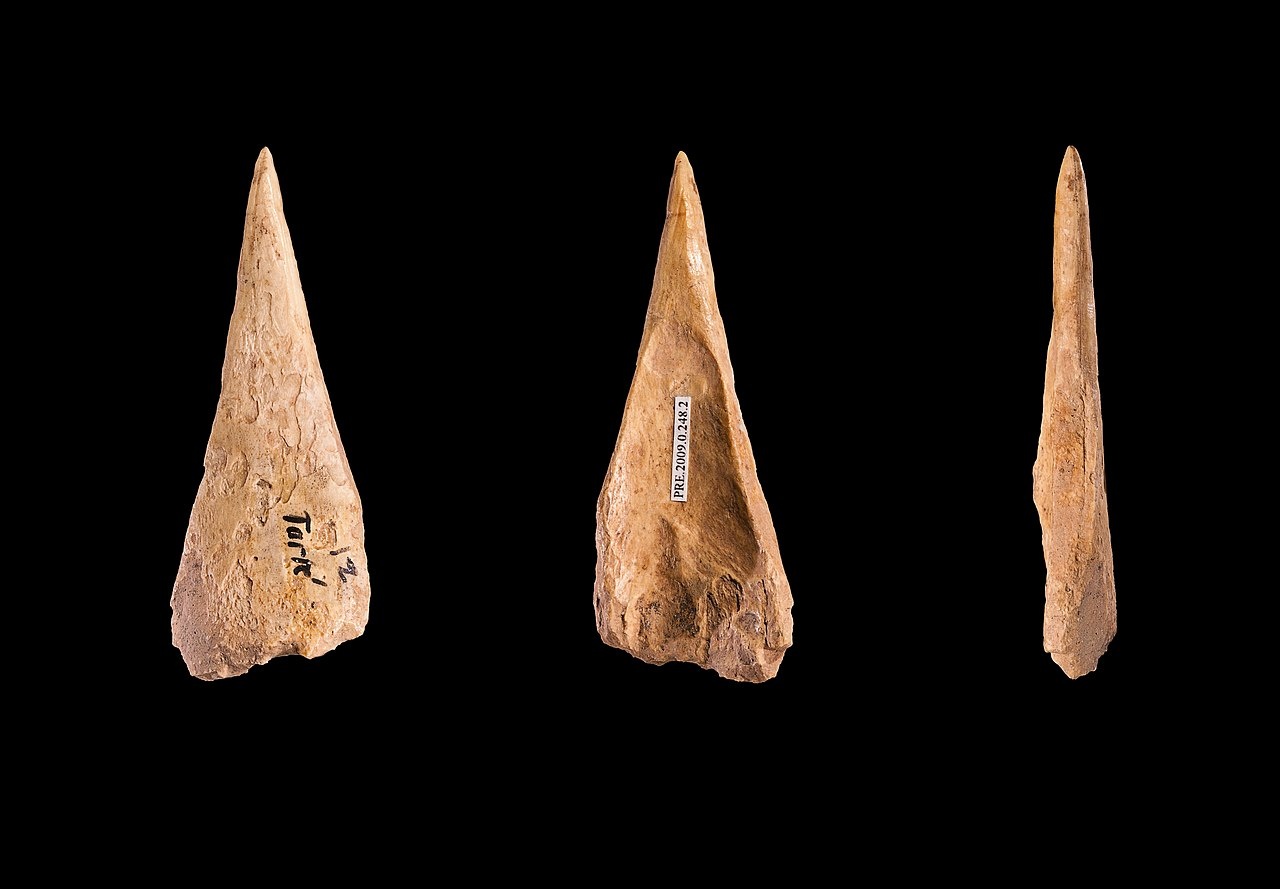
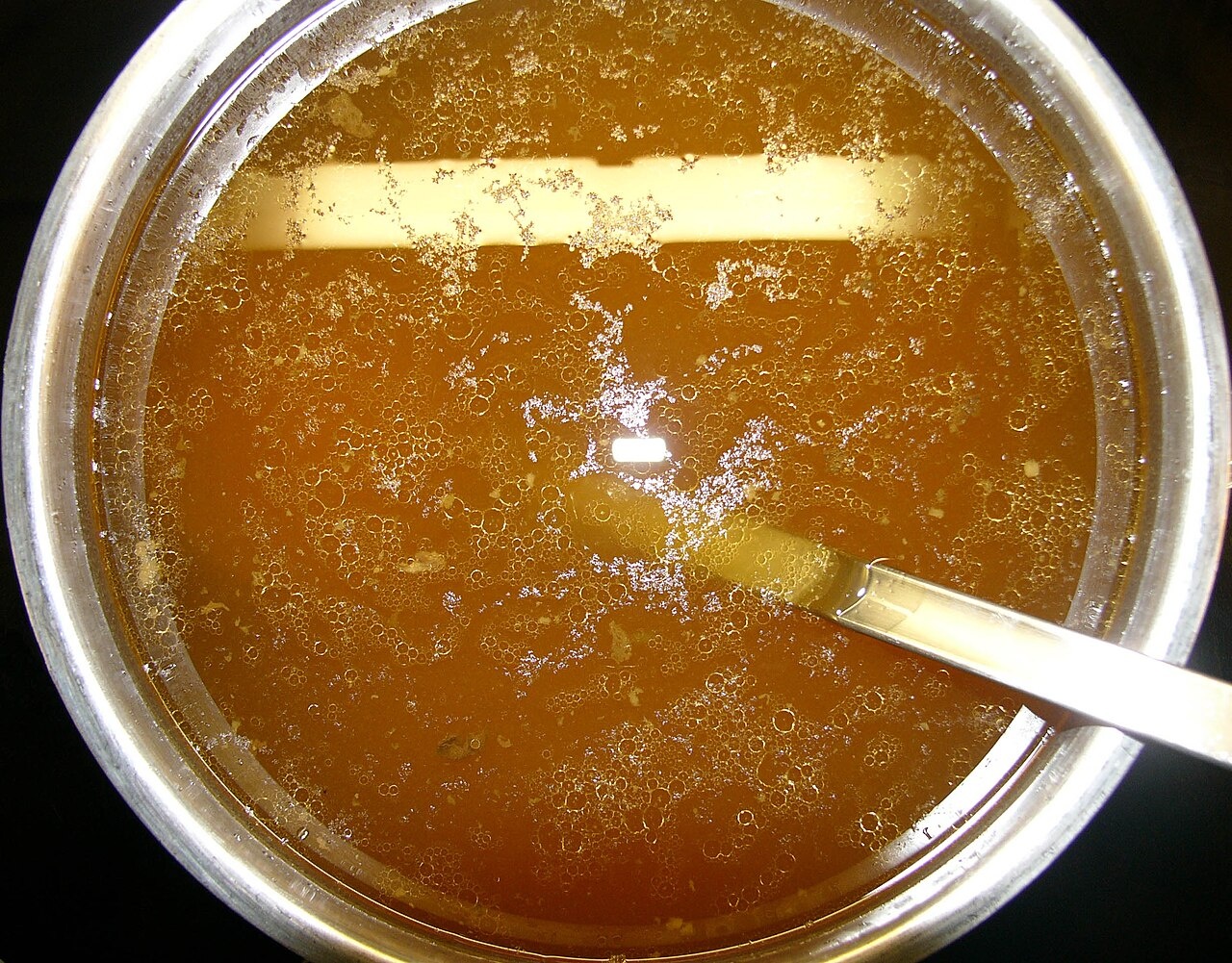
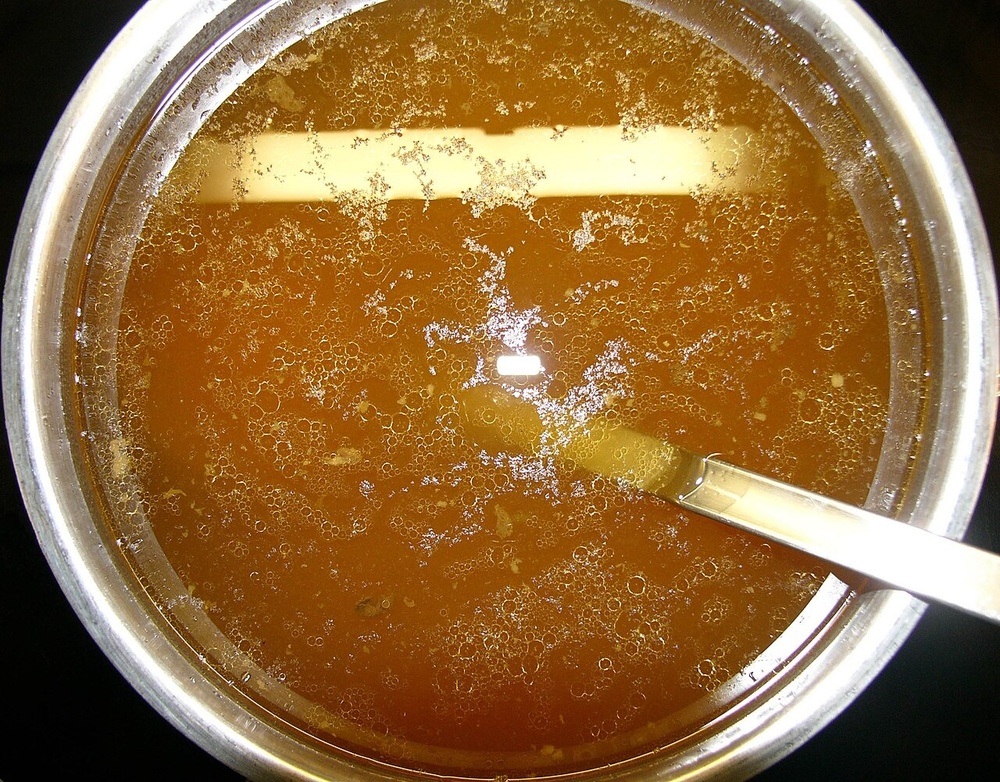
Suggestion for Implementing the Use of Bones in Vintage Story I propose new utilities for bones to create a variety of useful items beyond bonemeal. This functionality would not only enrich the gameplay experience but also add an extra layer of realism and depth to the survival and crafting simulation that characterizes Vintage Story. Details of the Suggestion: Uses of Bones: Bone Tools: Bones can be carved to create basic tool parts such as needles, hooks, knife blades, spearheads, and arrowheads. These tools will have limited durability but will be useful in the early stages of the game or in emergency situations. While these tools are made through scraping, they could initially be carved like flint when firstly implemented. Bone Broth: By cooking bones in water for a prolonged period, players will be able to create bone broth, which can be used in various recipes along with meat, vegetables, and grains. Animal Glue: Players can cook a larger number of bones in water for more time to create animal glue. This glue will be a useful resource for repairing wooden, fur, clay and stone items, as well as for crafting certain advanced items. Bone Meal (implemented): Grinding bones will produce bonemeal. This can be used as fertilizer in agriculture (phosphor source), but could be used also as an additive to produce animal feed pellets (if animal feed pellets are added to the game). Bone Ash: By burning bones in a campfire or a furnace, players will obtain bone ash, which can be used as fertilizer in agriculture (phosphor source), as a construction material (an alternative to lime for making mortar), or as a lower-quality substitute for borax in certain alloys. Decoration: Animal and human skulls can be used like decorative elements. Balance and Adjustments: These new utilities would add an extra level of detail and realism to the game. It will enhance exploration and hunting, as bones will become a valuable resource with multiple uses. It will increase crafting and survival options, providing new strategies and methods for facing the game's challenges. It is important to balance the durability of bone tools and the quantity of resources obtained from bones to avoid them becoming too powerful or scarce. The creation of animal glue and bone ash should require a reasonable cooking time to ensure they cannot be obtained in large quantities easily. I hope this suggestion will be considered for future updates of Vintage Story, and I am confident it will enrich the gaming experience for all players. Thank you for your attention!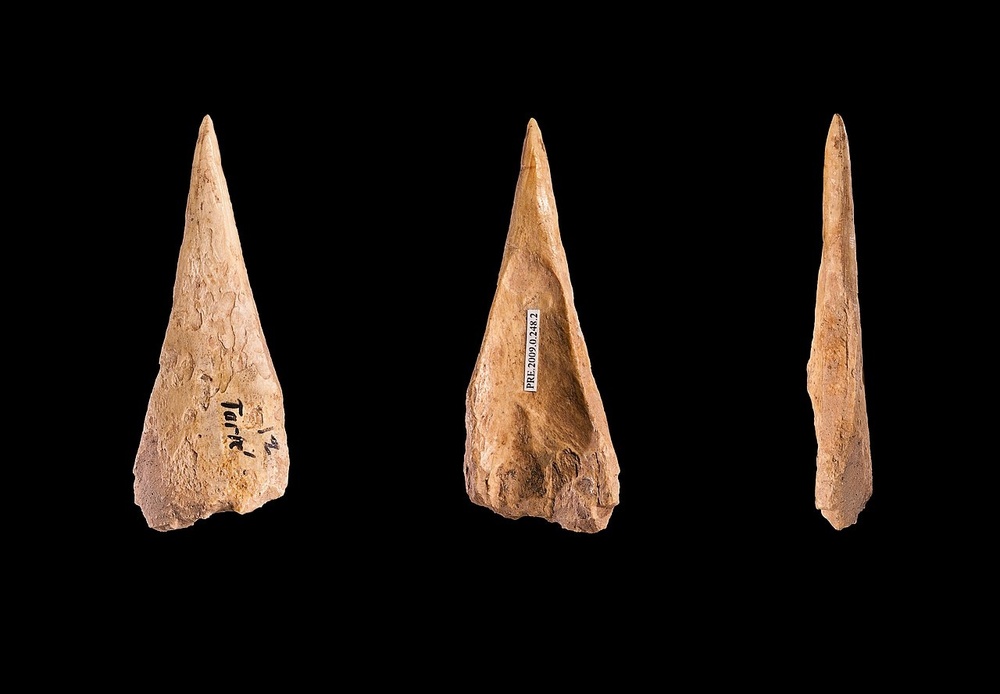
-
ore Bog iron (Goethite) - rework
Doctor Antiquarium replied to Doctor Antiquarium's topic in Suggestions
It would only be generated in places such as swamps, peat bogs and alluvial meadows. But since I've been told that peat bogs and swamps are not implemented as a biome itself, which changes the generation. In that case, it would only generate in temperate places with high rainfall in basalt and peridotite provinces, near small bodies of fresh water. It would be unusual in granite and andesite provinces.- 13 replies
-
- 1
-
-
- ores
- ore distribution
- (and 1 more)

_acetate_tetrahydrate.jpg.38dff7c07867a90b051aa4c3355d2308.jpg)