Perdido Street
-
Posts
67 -
Joined
-
Last visited
Content Type
Profiles
Forums
Blogs
News
Store
Everything posted by Perdido Street
-
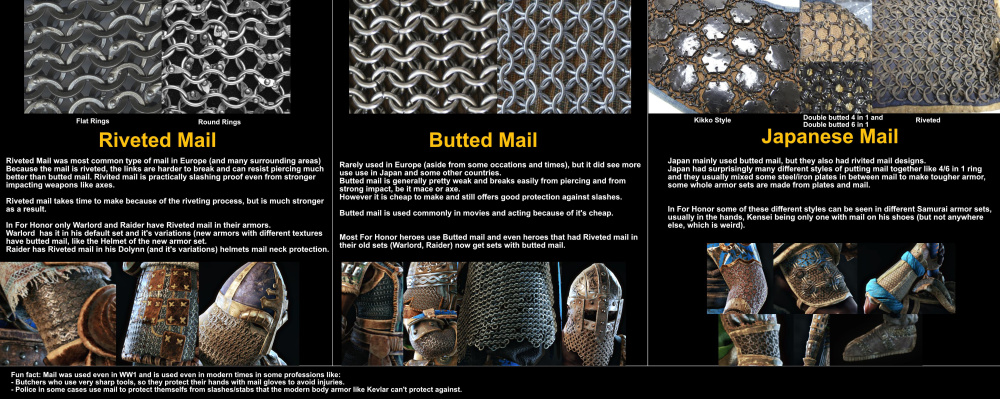
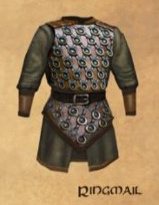
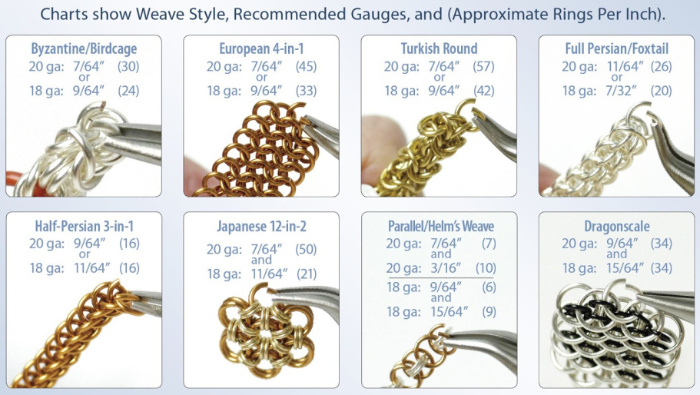
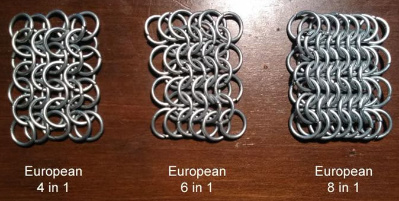
Having the option to make different variants of chain mail -heavy, medium, or light- could be nice (especially for the whole "making do with what we have" part of the system). The term "Ringmail" is somewhat anachronistic, but it does convey how the size of the individual links, or the tightness of their weave, were reflective of culture and the local availability of metal: For more specific examples, weave variants in real-life tend to be named for the density of links (# of overlaps per 1 link -ex: "4-in-1," means each link has 4 others attached to it), or their cultural style: -PS: For those who are curious, Gauge just refers to the thickness/diameter of the links in millimeters (its a standardized measurement system for wire; long story short, just read that the lower the "# ga" the thicker the link, wheres the higher the "# ga" the larger the link). A 4-in-1 (light) suit of chain mail would be much cheaper to make, and weigh-less to wear, than a 6-in-1 (medium) or 8-in-1 (heavy), but also be less protective/visually solid.
-
Combat is too shallow for it to be so integral to the game.
Perdido Street replied to Tabulius's topic in Suggestions
Now that armor is getting reworked, this thread feels worth resurrecting. I think the basis on which it began (not that combat needs to be expanded, but that it is in a weird place currently) remains true, and should be addressed. For the record, more armor content is exciting and I am all for it; the cosmetics and modular design are going to be fantastic, I am sure. However, armor is inherently linked to the combat system. Having more armor content, like having more dungeon content, creates its own gravitational incentive to engage with it (after all, the player mentality, whether right or wrong, is going to be to "follow the content" - the sense that it is not just something they can do, but is what they are supposed to do). The making of weapons and armor was already the most interesting part of combat, and it is good to see that side of things continue to deepen, but that will also emphasize, even more, how much less engaging it is to actually use what we make. Once again, so people don't get me wrong, I am not saying that VS should have Dark Souls level fighting mechanics - I am saying that the amount of effort we invest in preparing for something (making weapons and armor) should balance out with how engaging that thing actually is (resolving combat encounters): that could mean deeper fighting mechanics, or deeper stealth mechanics, or deeper movement mechanics, just anything so long as it expands player agency during the encounter. Ultimately, I hope that material progress in arms and armor will become less about percentages, and more about possibilities (think about the difference that getting the pickaxe tiers make, or the saw, or the bloomery - its not just a higher number or nicer model, its a new relationship with the sandbox). More build-able traps/emplacements would be a good start. -
Being able to make hallucinogenic blow darts/arrows could be handy for catching wild animals, or messing with your friends
-
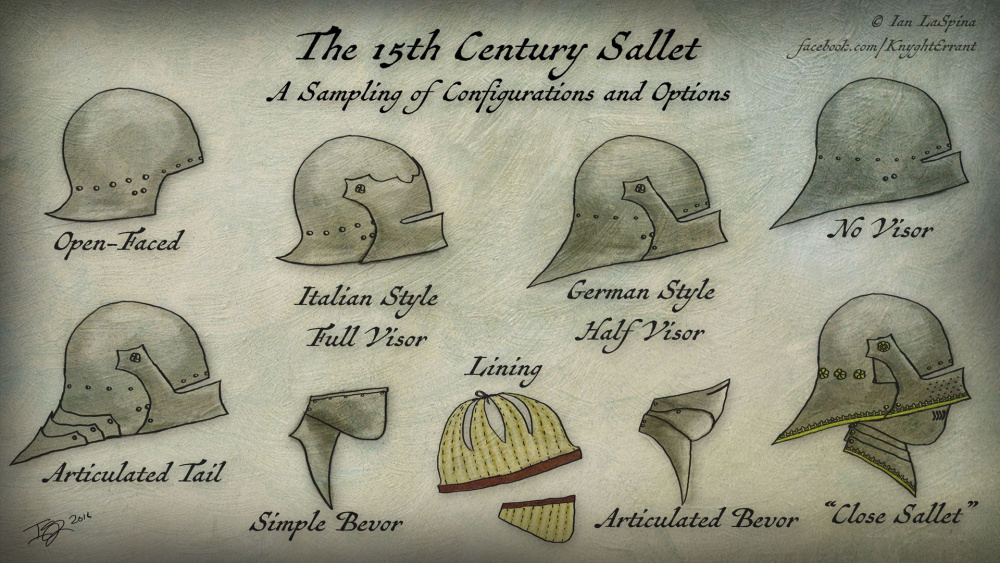
As far as steel helmets go, a Sallet is one of the best
-
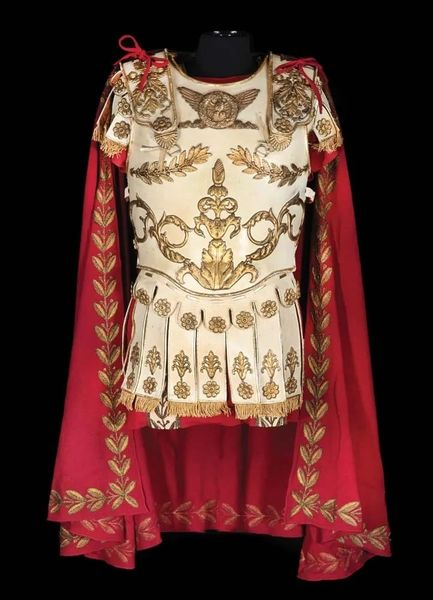
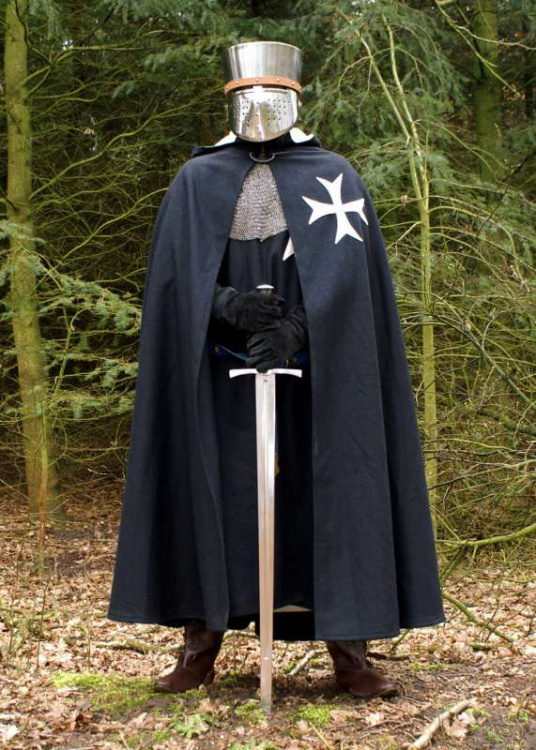
Anything looks better with a cape on it
-
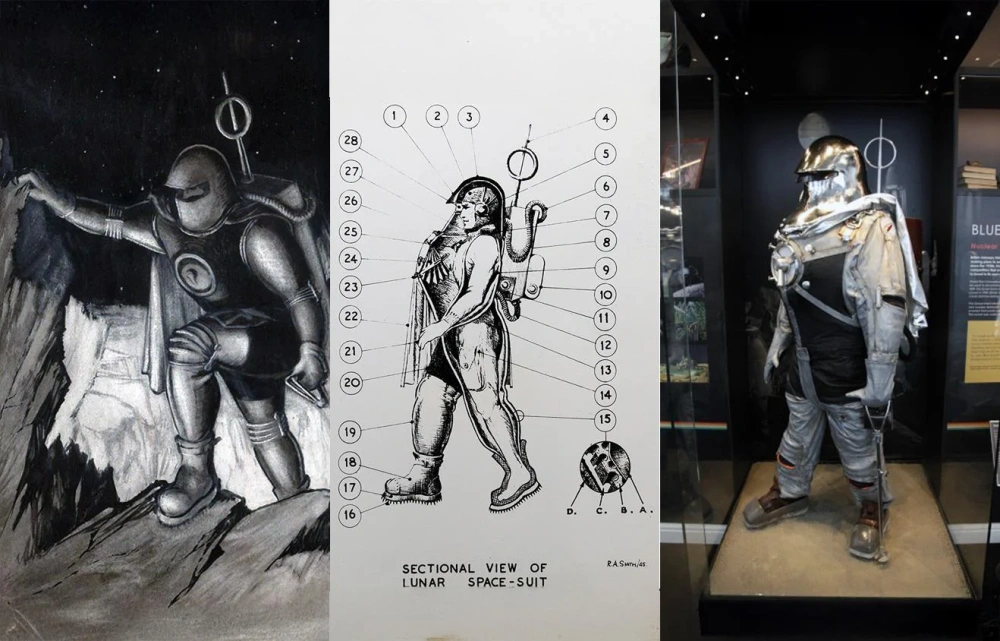
I like the idea; It probably could look something like the "British Interplanetary Society's Lunar Spacesuit," which was one of the first ever attempts at making a space suit in the 1940s, and is basically just !Science! armor:
-
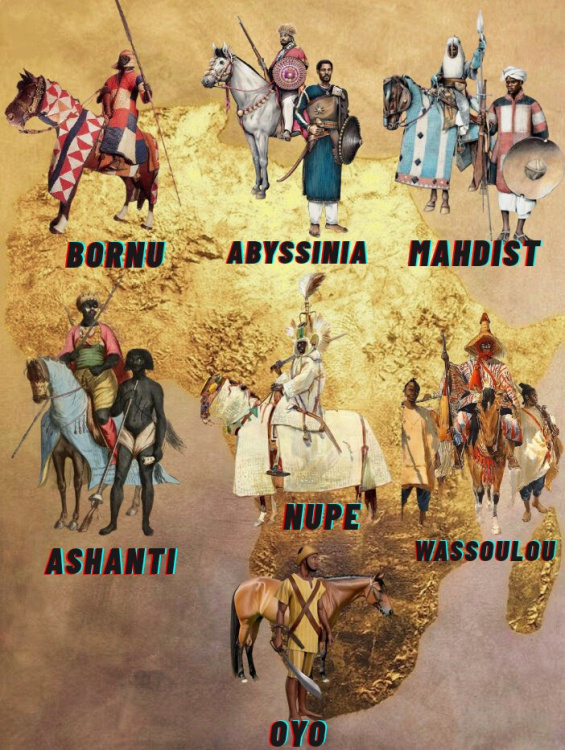
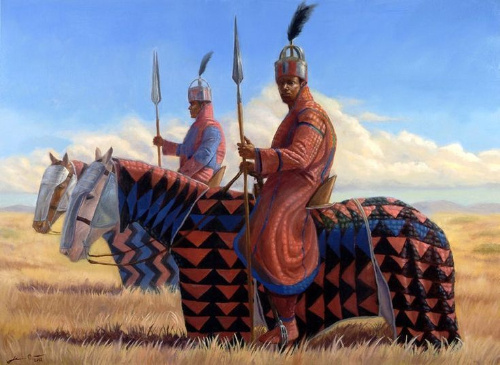
Also, quilted armor doesn't get nearly enough love. There are some especially stunning examples from Africa:
- 84 replies
-
- 11
-

-

-
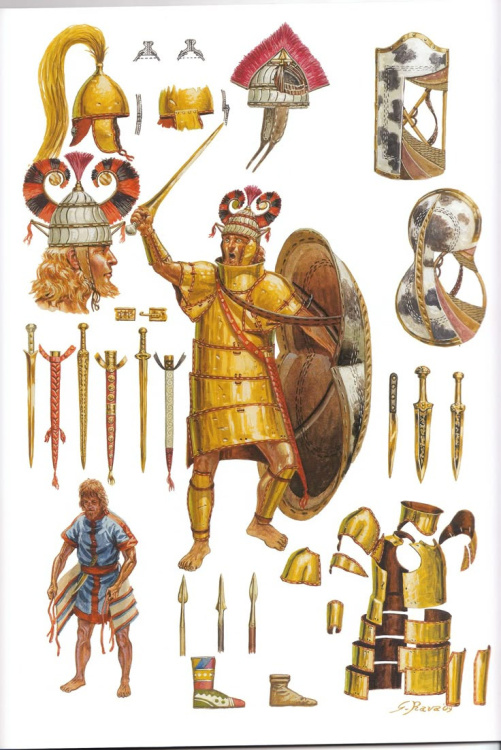
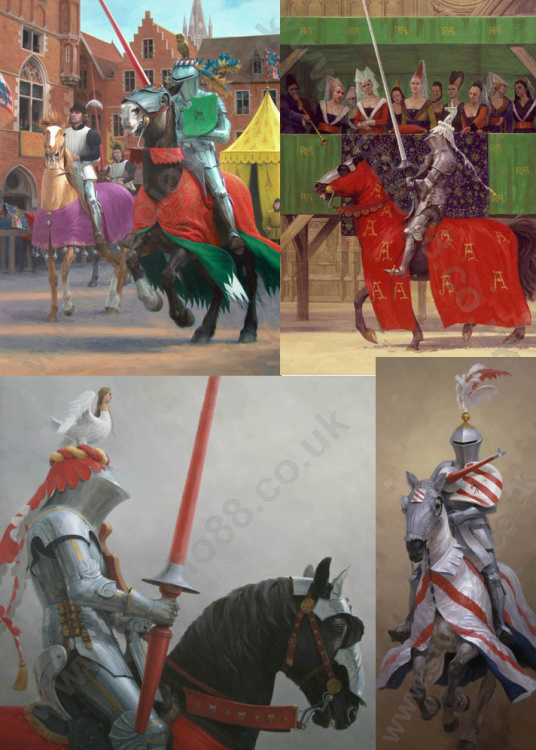
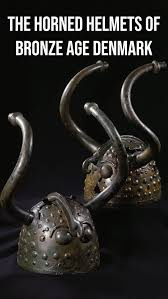
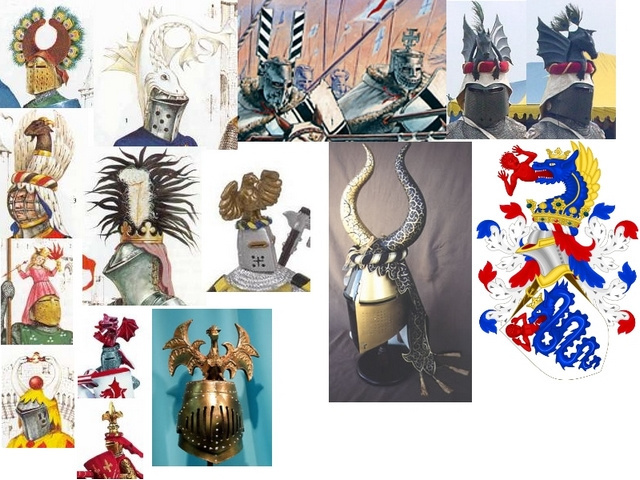
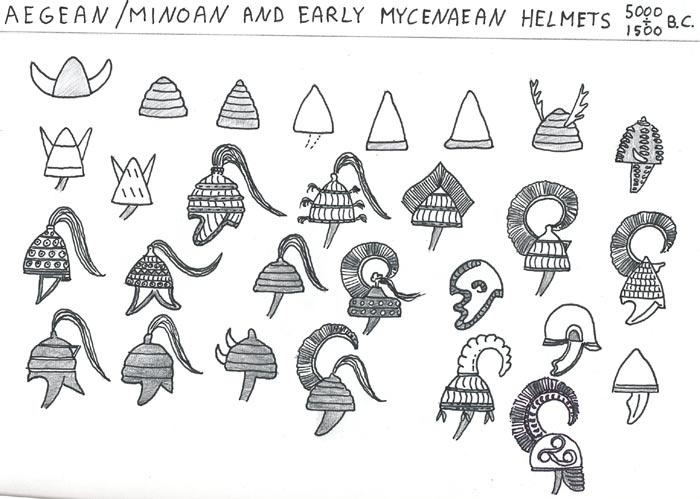
Bronze age armor (particularly Greek/Mycenaean) is so uniquely archaic, it would make a great model in and of itself. Besides that, having the option to add modular-helmet crests or an ecranche (shoulder shield) onto armor sets (like the kinds that Medieval jousters wore) would be amazing if it were possible.
- 84 replies
-
- 10
-
-
-
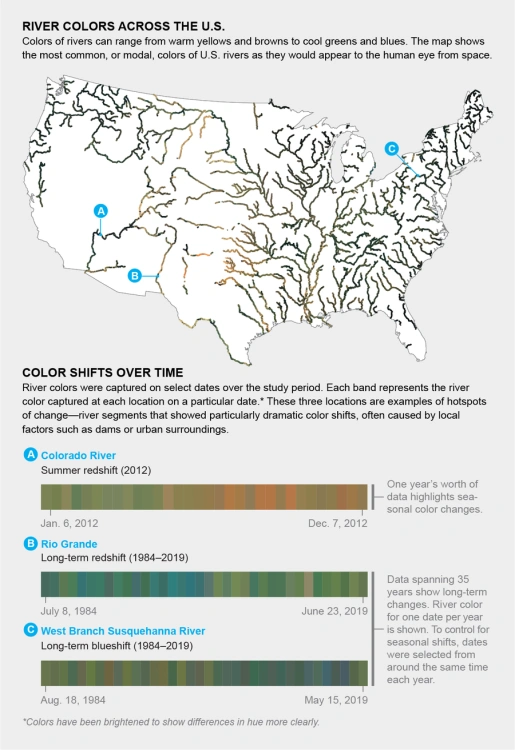
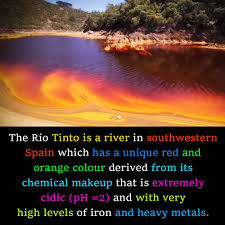
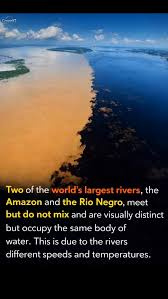
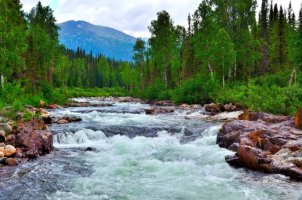
To flesh out this "context" a little bit more; I am referring primarily to temperature, movement, and biome. These are values that are already recorded on a chunk by chunk basis, and a block by block basis for movement (as in, at any given time the game can already tell you whether a water block is flowing, as well as the chunk temperature and biome in which it exists). So, by tying these values to color, brightness, and opacity gradients, they could create a wide and realistically shifting range of fresh water visuals. In its simplest form: River water experiences red-shift (looking more yellow-brown) in warm temperatures, and blue-shift (looking blue-green) when it's cold. The faster a river is moving the lighter it's color (why rapids are white), and the slower the darker it becomes (why lakes and calm rivers can look black). Lastly, the land a river runs over is going to contribute a certain level of runoff, whether leaving the water transparent (running over stone/rocky soil/sand), hazy (running over most kinds of mud/dirt), or opaque (running over clay or heavy metal deposits - high levels of Iron, lead, copper, etc...). The reason behind the color/temperature shifts have to do with the water's dissolved minerals + algae, the speed/brightness with it's oxygen content, and the opacity/biome is pretty self explanatory. For more in-depth/real world examples of what I am talking about, here: Sea/Ocean water is similar in many regards, except its salt content and tides make the rate of change for color and brightness much less pronounced than in freshwater bodies.
-
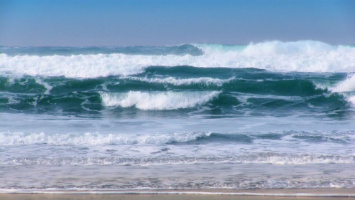
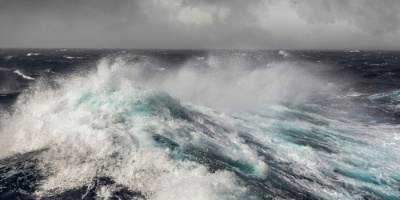
On a -hopefully- less complex note, the physical appearance of water in-game is the other side of creating realistic river generation. Looking at the new river rapids in particular, they still feel too static; Not as in they don't convey motion, but that the motion they display is completely disconnected from everything else (the sense of friction, either with the land or air, is absent). Not only will generation have to get water moving in the right direction, but it needs to have a dynamic visual language built into it. Returning to the rapids, so much could be done to emphasize their impact through a context based color gradient: becoming brighter when they hit lower elevation blocks (increasing proportionally with the distance the water is falling). Going beyond rivers, coastal waves would also look significantly better/more realistic if their crests became lighter the closer they are to shore, and out at sea during weather. Right now, water in VS just ends against the land, instead of meeting it.

-
Should there be an aquatic rust monster threat?
Perdido Street replied to DeanF's topic in Suggestions
ngl, independent of if it should or shouldn't happen, that seems like the exact reason a rust beast might be added to the sea. The fact that the merchant fleet is such a big part of the lore pretty much guarantees that "shipwrecks" are going to appear in-game at some point. Either they will be procedurally generated world features (like the ruins/dungeons), or more likely the setting of a future story chapter (which have all come with new enemies and a boss so far). -
Should there be an aquatic rust monster threat?
Perdido Street replied to DeanF's topic in Suggestions
Maybe it would be possible to borrow from the better part of that update; Instead of creating a new unique rust monster, have the normal mobs' appearance vary based on biome: dripping with sea-weed on the coast, spattered with mud in the forest, or covered with snow in the winter (like the player character's model gets when cold). It would be a purely aesthetic rather than mechanical change. For the monsters that spawn in from portals or storms this wouldn't affect them, but the ones that come out at night are presumably meant to have been wandering around for a while. -
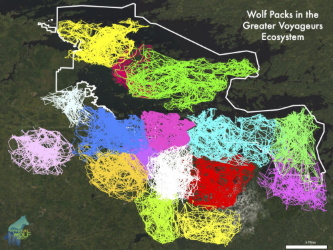
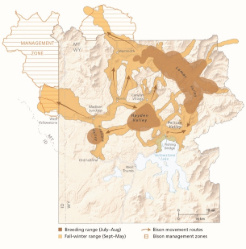
Recently, there was a suggestion about implementing bear dens (debating the benefits of having understandable spawning areas vs the risk of mob farming) and it got me thinking about real world ecology; animals have territory, social bonds, they migrate, and they adapt their behaviors to their environment. Game wardens, who manage these populations, are a vital part of any forestry service, and it might be the right call for us to create a similar dynamic in-game. To iterate on this "Den" suggestion, my idea is a system of Herds and Packs. A number of each would spawn seasonally with a random chunk on the map as its den or bedding, and exerting an effect on the surrounding region. Within the grazing lands of a Herd, animals of the herd type would always be found in large groups, and the spawn rates and growth of plants would dramatically decrease. Within the hunting grounds of a Pack, animals of the pack type will always be found in groups of two or more and the spawn rates of other animals would dramatically decrease, but they will ignore the player unless attacked or the player enters their den chunk (IRL animals tend to attack people more out of desperation than preference). In either case, Herds and Packs have a limited territory, and are dispersed by destroying their bedding/den or at the season's end. Outside of grazing and hunting grounds, animals and spawns would behave normally. Intervening or not represents a cost vs benefit question (whether abundant prey is worth losing valuable plants, or if no longer being jumped by random wolves or bears is worth letting them take all the meat sources), and these generally do represent the reasons that humans have historically displaced animals. Not to mention, this would add a lot of depth to where and when you plan a hunting trip. Most of the frustration that comes from suddenly being killed by a bear or wolf in VS, I think, is the lack of agency players feel when being struck down by rng. The proposition above would at least put more agency in the players corner to say, "Yeah that thing came out of nowhere, but that was the risk I took in displacing them."
- 3 replies
-
- 4
-
-
- animal behavior
- hunting
- (and 3 more)
-
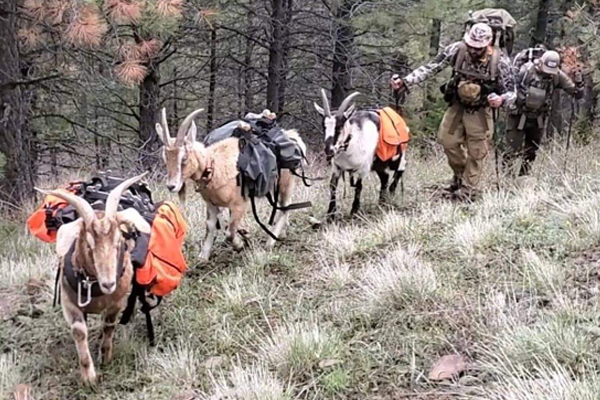
Goats might be a little small for riding, but they actually do make great pack animals in mountainous regions: maybe having the option to put saddle bags on them and a lead would fit the bill.
-
Scorch and Soot over Fireplaces/Torches
Perdido Street replied to Perdido Street's topic in Suggestions
Plus, if the soot can be collected, it can be used to create ink/paint or in small amounts to add Nitrogen for fertilizer (anything more and it can actually be toxic, which has led to it being used more for soil fumigation against bugs and fungal blight). -
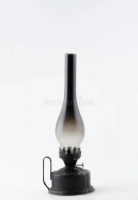
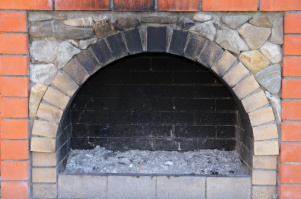
Look in the real world at the stones above a fireplace, the glass of a lantern, or above the sconce of a torch and you will see scorch/soot. Especially oil/fat burning lamps and candles caused so much staining in homes that people used to hang "smoke bells" made from glass or brass over them. Personally, I find this all very aesthetic, and that it really sells the age of a building. Having fire places and wall mounted lamps in-game generate soot marks on the blocks directly above them (or on those reached by their particle effects) over time would add to the general sense of place/realism. In any case, we can already draw on blocks with coal/chalk, so soot marks should be mechanically possible (and like coal drawings, soot marks could be cleaned off with water).


-
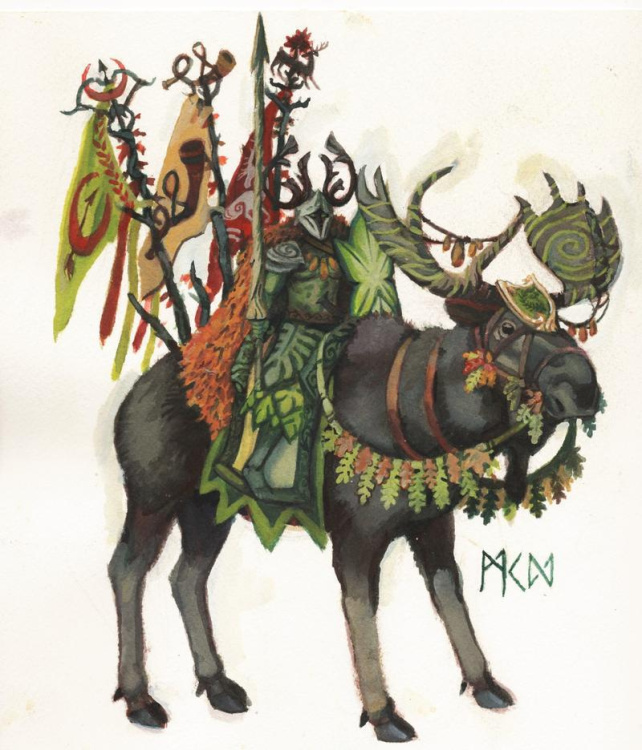
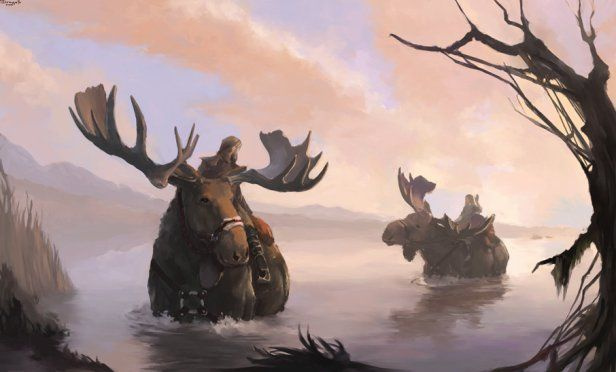
We already ride Elk, so Moose seem like a reasonable continuation of that world building. Practically speaking on what this would add to VS: if the elk mount is made for exploration and traveling quickly, the moose would be slower but better at weathering damage from other animals and monsters. The same way that there are different horse breeds for different jobs (Draft Horses for farm work, Palfreys for travel, Coursers for hunting, and Destriers for fighting) having specialized mounts makes sense for us too. Fun fact: Sweden actually experimented with Moose cavalry in the 17th century. Especially as the quest-line story gets bigger and more dangerous, it would be nice to have a mount focused on taking threats head-on. Traveling on a moose would be much slower, but, if you know anything about moose in real life, they could bring serious trample damage to the table.
-
For the record, I know there is now a mod for this (and I deeply appreciate their work), but it still feels like a missed opportunity in the base game.
-
Attaching Chiseled Crests onto Helmets
Perdido Street replied to Perdido Street's topic in Suggestions
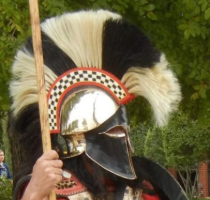
I agree, scaling would definitely make the most of the system; thank you for suggesting that! The reason that I think chiseled crests could still work even on the standard chiseling scale (atleast for bronze age armor and up) is because often they were just that big IRL: they were more about intimidation, signifying rank, or showing off than being practical.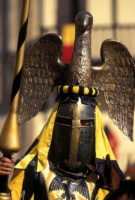
-
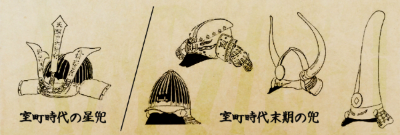
If the figureheads on ships can be customized and chiseled, this process could be applied to making custom armor crests. To be clear, I am not talking about chiseling the armor models themselves, but rather having attachment points (similar to those on the boat or the elk model) where items can be placed on the model. While there are a host of different practical effects this system could feed into, here I am mainly interested in the aesthetic possibilities of adding "Armorial Crests" to helmets: things like horns, plumes, and especially chiseled figures. Not only would this open up a near infinite space for player creativity, but it is also historically accurate to how many cultures and individuals ornamented their armor (from bronze age warriors, to the Roman centurions, and reaching the creative extremes of knightly jousting helmets in Medieval Europe, Mahiole war helmets in Hawaii, and the Samurai crests of Feudal Japan). Beyond the aesthetic, in terms of meaningfully adding to the game as a whole, having chiseled crests would also provide a means for VS players in the late-game to continue making 'progress' with their armor even once the actual tech tree of materials has been exhausted.
- 2 replies
-
- 2
-
-
- chiseled block
- armor
- (and 1 more)
-
Now that the snow shovel is in the game, an icebreaker for boats (or plows for vehicles in general) seems like a logical continuation with more or less the same mechanics.
-
I just want to give this post attention again, especially with in-game rivers on the way. IRL, Icebreakers are just a forward projection of the ships keel; People, especially in the northern hemisphere, have been using them for millennia, modern day ex: Expanding on what I said above, icebreakers are basically just rams. Historically they would just be wood with a metal wedge on the end. I agree that copper would be too weak, but bronze ship rams were common place in antiquity both for clearing obstacles in the water and for naval warfare (not the main point here but letting the ram do damage based on speed to entities and other vessels would be neat). That said, for the sake of realism, it is important that the effectiveness of the ice breaker be tied to rowing (after the initial impact, the rate at which the ice breaker clears blocks under sail power should naturally decrease, so, as is the case in real life, breaking the ice with speed requires passengers to spend energy rowing with paddles). A second element to this, which is really about how far people would like to take the simulation, is considering the density of the ice vs the mass of the boat. Ice formed in Spring and Autumn is not going to be as solid as ice in the deep Winter (and that's before even talking about the differences between ice sheets formed over lakes and rivers vs Sea ice). What I'm getting at isn't about adding a ton of crazy calculations, but rather that, once the temperature in a region goes below a certain level, the icebreaker on our current boat should cease to work until the temperatures rise again: It does not make sense for a vessel of our size to have the physical ability to break deep Winter ice; there is a reason that commercial icebreaker ships are massive. However, if mass is the main problem, then there is always the option of a bigger boat. Bigger boats than the long ship type vessel we have now existed during the medieval era: like the Cog and Caravel, to say nothing of Carracks. Having some optional upgrades to the current boat model (say adding a fore and/or aft castle or cabin) would not only provide more storage space and attachment points, but also leave us with a ship just credibly big enough to, with a little elbow grease, smash its way through even deep winter ice sheets.

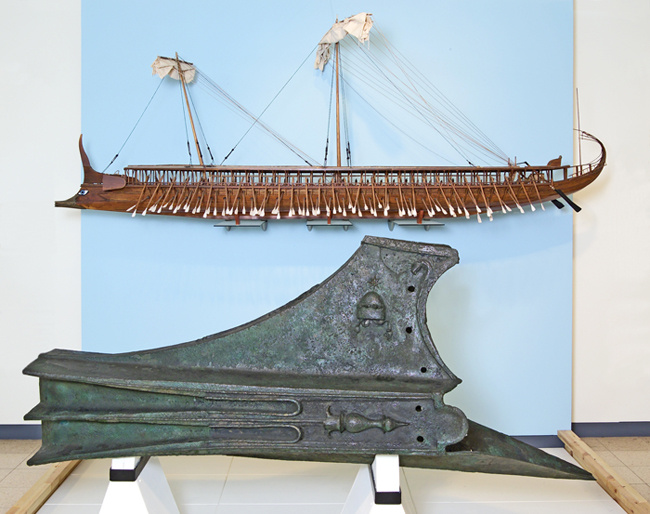
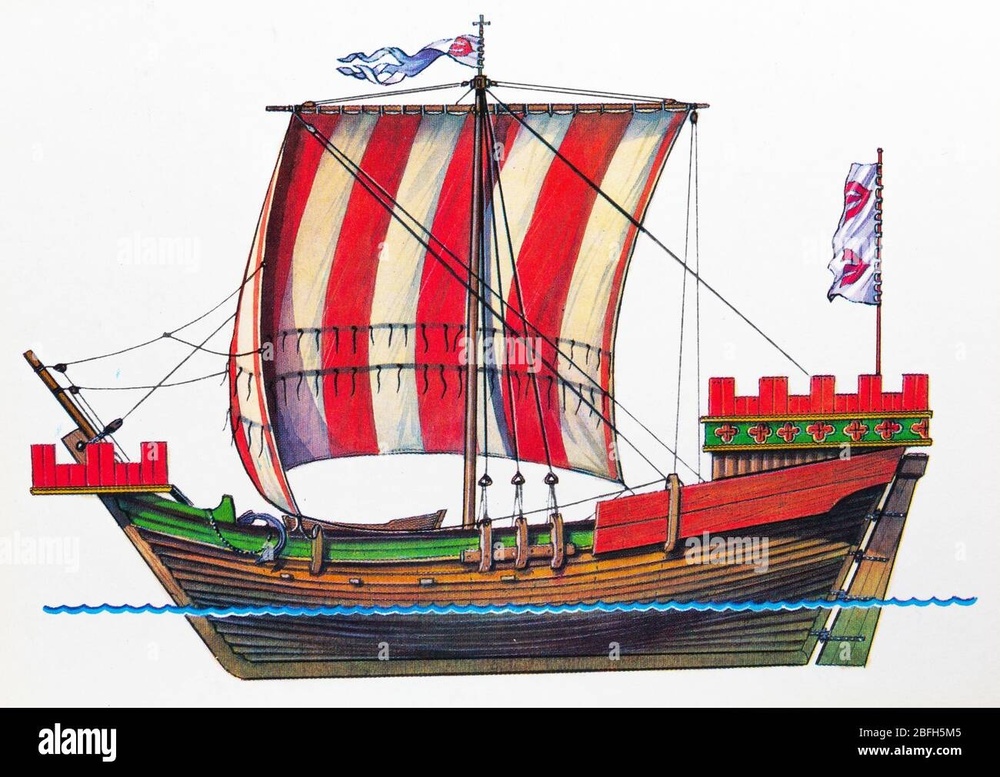
- 7 replies
-
- 4
-
-
- ice
- icebreacker
- (and 2 more)
-
Combat is too shallow for it to be so integral to the game.
Perdido Street replied to Tabulius's topic in Suggestions
This has some real *scientist about to be burned at the stake for "witchcraft"* energy -
Combat is too shallow for it to be so integral to the game.
Perdido Street replied to Tabulius's topic in Suggestions
mic drop moment Yes, I agree. The solution should be some kind of Jonas tech. Its just, presently, the way things progress is that one day we go to bed as a medieval peasant, then wake up the next knowing how to throw together a box of rubbish that can rip holes in space-time. Having a little bit more of a wind up would not only make more sense from a game play pov but also from the perspective of logic. Having some "primitive" Jonas tech that's geared more to the mid game, not only addresses the exact problem that we are discussing, but is just necessary in general to set the precedent for late game contraptions. Linking the power for these mid-game techs to rot beasts drops (of whatever kind you personally find lore coherent given that its is already established that their bodies contain Temporal Gears and killing them partially restores a player's sanity) is just following the logic of Jonas tech as we have seen it everywhere else. That I think this would also kill two birds with one stone by making dungeon diving more useful in the average play-through makes it an even more appealing route (not because I even want anymore combat related content, but because, as we have established, it is coming. Story and Procedural dungeons are going from a sideshow to a main act in the ecosystem of VS gameplay loops, and to work well those require a real mechanical reason for engagement with that content, or at least to not have engagement so actively disincentivised; Otherwise, why even spend the time and energy to add these in the first place, why add them as The Story? For the record, I really do like the narrative of the story, I just find it unfortunate how much it's design conflicts with the rest of VS, and believe that part of that story reaching its full potential is about working in tandem with, and not against, the mechanical logic of the actual game for which it is meant to be the story). -
Combat is too shallow for it to be so integral to the game.
Perdido Street replied to Tabulius's topic in Suggestions
Or instead of getting some esoteric unexplained loot droop from monsters, take the concept of "temporal fibers" and add it to a weaving gameplay loop as some sort of late game material. That way there's also some sort of reasonable explanation for how those fibers came to exist(the player utilized technology to make them), instead of the player being left to wonder how a horrible rot-infested creature can produce something so valuable. As for stopping spawns with dreamcatchers and candles...as a mod it works, but not for the base game. Stuff like that enters the "generic RPG fantasy" realm, and if it were really that easy to keep the monsters away, NPCs would be surrounding their homes with handicrafts instead of building strong fortifications. I'll just point out that according to the internal logic of the game's setting having rot beasts spawn inside people's houses doesn't make sense either. Also, temporal gears are also highly valuable drops (its never insinuated that the monsters make what they drop, but rather the drops are what they are made out of). Do temporal candles and dream catchers represent the perfect the solution... maybe and maybe not (it is not about implementing those aesthetics specifically). There is a problem with players being presented with a problem and no solutions until 2/3 of the way through the game. VS is too big of an experience to leave the player in limbo for this long. There needs to be at least a mid game way of dealing with the temporal rifts and mob spawning; these should obviously be much weaker than late game solutions, but a challenge can be fun, whereas forced helplessness is just annoying.